


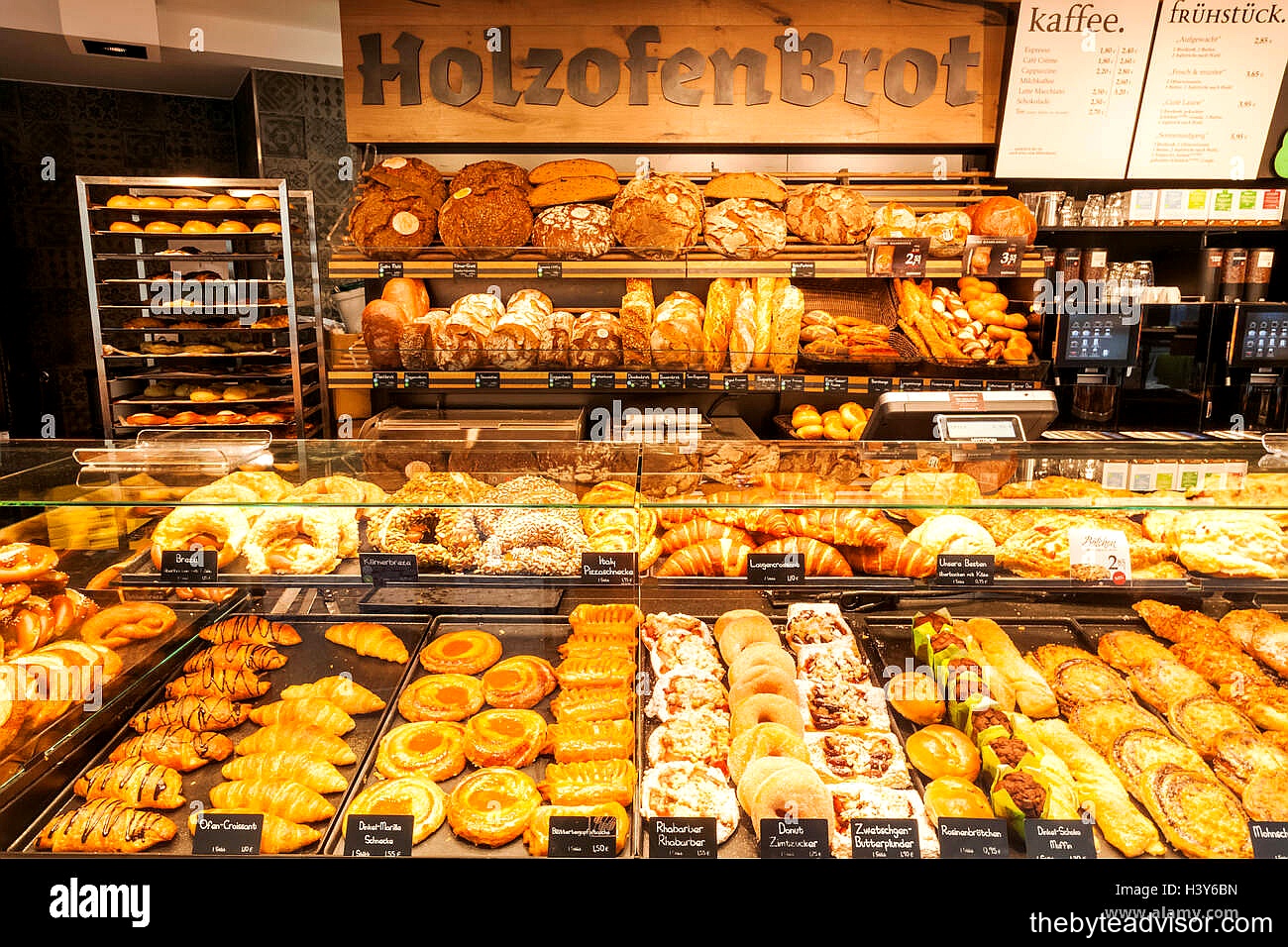
The Timeless Appeal of Authentic German Baking
German baking represents a deeply rooted culinary tradition defined by precision, patience, and an unwavering respect for natural ingredients. For centuries, master bakers across Germany have refined the art of bread making and pastry design, creating complex flavor profiles that rely on slow fermentation, whole grains, and balanced sweetness. When food enthusiasts start searching for the best german bakeries near me, they are rarely just looking for a quick morning snack; they are seeking an immersive cultural experience that brings Old World craft right to their neighborhood table.
Unlike many modern commercial bakeries that rely heavily on artificial softeners, processed sugars, and rushed proving times, traditional German bakeries operate on foundational principles of craftsmanship. Sourdough cultures are carefully nurtured for decades, high-fiber rye flour forms the backbone of daily loaves, and butter is used with deliberate purpose rather than excess. From the hearty texture of a dense whole-grain bread to the delicate layers of a handmade strudel, German baked goods offer a rich culinary landscape that satisfies both savory cravings and sweet tooths alike.
The growing popularity of authentic European bakehouses across North America has made finding these traditional establishment easier than ever. Modern consumers increasingly value clean labels, natural starter cultures, and time-honored baking techniques over mass-produced factory bread. Whether you are an ex-pat looking for a taste of home or a curious foodie exploring regional international flavors, stepping inside a genuine German bakery offers a delightful sensory journey filled with the enticing aromas of toasted caraway, dark cocoa, freshly ground cinnamon, and warm baking yeast.
Regional Highlights: Exploring Top German Bakeries Across America
Across major metropolitan centers, dedicated bakers have established thriving institutions that honor classic German recipes while serving local communities. In cities like Dallas, Texas, historic destinations such as Henk’s European Deli & Black Forest Bakery, BreadHaus, and Kuby’s Sausage House have become cherished culinary landmarks. Exploring online regional bakery directories reveals how these establishments seamlessly blend traditional deli offerings with authentic baked specialties, providing everything from house-made sausages to rich, multilayered tortes under one roof.
Similarly, East Coast epicures can enjoy world-class European pastries in the heart of New York City. Landmark locations in Manhattan, including Cafe Sabarsky and the Old German Bakery, offer refined environments where patrons can indulge in classic Viennese and German desserts served alongside rich melange coffee. When discerning diners search for the best german bakeries near me in major urban hubs, they consistently find places that take immense pride in maintaining historic recipes, importing specialized European flours, and employing master pastry chefs skilled in classical European techniques.
Beyond massive metro areas, small-town artisanal bakeries are also keeping these centuries-old culinary traditions alive. From Midwest farm towns with deep historic German roots to Pacific Northwest mountain hamlets, craft bakeries continue to fire up traditional deck ovens every morning. These neighborhood spots serve as vibrant community hubs where locals gather for fresh soft pretzels, dark rye loaves, and seasonal holiday treats, proving that the demand for authentic, scratch-made European baking spans every corner of the country.
Essential German Breads: Sourdough, Rye, and Soft Pretzels
Bread holds a sacred status in German culture, with the country boasting over 3,000 distinct regional bread varieties recognized globally for their exceptional quality. German bread culture, or Brotkultur, emphasizes heavy, nutrient-dense loaves built on natural sourdough starters (Sauerteig). When you explore the best german bakeries near me, the bread display is always the star of the show, featuring dark rye loaves like Vollkornbrot and mixed-grain Mischbrot that boast thick, carmelized crusts and moist, chewy interiors designed to stay fresh for days without artificial preservatives.
No discussion of German baking is complete without celebrating the iconic Bavarian soft pretzel, known as the Laugenbrezel. Authentic German pretzels achieve their signature deep-brown color, glossy sheen, and distinct earthy flavor through a quick dip in an alkaline lye solution before hitting a high-heat deck oven. Sprinkled generously with coarse salt, a proper pretzel features a delightfully crisp exterior that gives way to a soft, fluffy center. Enjoyed plain, slathered with rich cultured butter, or paired with spicy mustard and Weisswurst, the soft pretzel remains the ultimate test of a bakery’s mastery.
In addition to everyday staples, traditional bakeries feature specialized regional breads throughout the week. You will often find Kastenbrot (box loaf rye), sunflower seed-encrusted loaves, and dense seeded loaves packed with flax, pumpkin, and sesame seeds. These breads are not merely side dishes; they are central components of traditional German meals like Abendbrot—the simple, satisfying evening meal centered around high-quality sliced bread, fine cheeses, cured meats, and tangy pickles.
Iconic German Cakes and Sweet Pastries You Must Try
While German savory breads are world-renowned, the country’s pastry and cake traditions (Konditorei) are equally spectacular. The crown jewel of German dessert baking is undoubtedly the Schwarzwälder Kirschtorte, or Black Forest Cake. Authentic renditions feature layers of dark chocolate sponge cake soaked in traditional Kirschwasser (cherry brandy), sandwiched between billows of fresh whipped cream and sour tart cherries, and finished with delicate dark chocolate curls. Locating the best german bakeries near me ensures you experience this legendary dessert prepared with real cherry spirit rather than overly sweet synthetic flavorings.
Another classic sweet treat that highlights master confectionary skill is Bienenstich, affectionately known as Bee Sting Cake. This indulgent dessert features a sweet yeast dough topped with a caramelized, crunchy layer of honey-glazed sliced almonds, filled to overflowing with rich vanilla pastry cream. For lovers of fruit-forward pastries, traditional Apfelstrudel offers delicate, paper-thin layers of hand-pulled dough wrapped around spiced apples, plump raisins, and toasted breadcrumbs, served warm with a dusting of powdered sugar or warm vanilla sauce.
Regional morning pastries also deserve a special place on your tasting list. In Northern Germany, particularly around Hamburg, the Franzbrötchen reigns supreme—a buttery, caramelized pastry layered with cinnamon and sugar that resembles a flattened, spiced croissant. Paired with a steaming cup of dark roast coffee during afternoon Kaffee und Kuchen, these traditional baked goods provide a comforting, sophisticated sweet experience that showcases the extraordinary breadth of European pastry craft.
Identifying Authentic German Artisanal Quality
Determining whether a local bakery truly honors classic traditions comes down to paying attention to ingredients, preparation methods, and display cases. Authentic master bakers prioritize high-grade inputs such as pure cultured butter, non-GMO whole grains, real marzipan imported from Lübeck, and unbleached flours. Exploring trusted expert reviews and artisan guides can help discerning food lovers separate genuine scratch bakeries from modern commercial operations relying on pre-made frozen doughs and artificial shortcuts.
Another telling hallmark of an authentic operation is the presence of an integrated deli or specialty food counter. When tracking down the best german bakeries near me, you will frequently find that top-rated establishments double as European markets, stocking imported jams, house-made landjaeger sausages, specialty mustard, and European cheeses. This holistic approach to food reflects the traditional European neighborhood bakery model, where customers can collect all the essential ingredients for a complete, high-quality meal under one roof.
Finally, inspect the crust and crumb structure of the breads on display. True German breads exhibit dark, heavily blistered crusts that result from proper steam injection during baking, along with an even, tight, moist crumb structure typical of slow sourdough fermentation. Staff members at authentic bakeries should be knowledgeable about fermentation times, ingredient origins, and proper storage advice, demonstrating a genuine passion for the ancient culinary craft they represent every single day.
Mastering the German Bakery Experience: Ordering and Pairings
To get the most out of your visit to a European bakery, timing and preparation are key. Traditional bakeries operate on early morning schedules, meaning the freshest pretzels, crusty rolls (Brötchen), and sweet breakfast pastries are best enjoyed right when the doors open. If you are aiming to pick up delicate tortes or seasonal cakes for afternoon coffee, visiting during late morning ensures full display cases before popular items sell out for the day.
When bringing your bakery treasures home, proper pairing elevates the tasting experience significantly. Hearty sourdoughs and dark ryes shine brightest when paired with rich, salty toppings such as aged smoked gouda, liverwurst, double-cream butter, or wild lingonberry preserves. Discovering the best german bakeries near me opens up endless opportunities to host authentic weekend brunches or rustic evening charcuterie boards that feature contrasting textures of crispy crusts, savory meats, and tangy cheeses.
Seasonal planning is also essential for bakery enthusiasts looking to sample historic specialties. Plan visits during autumn to enjoy plum cakes (Zwetschgenkuchen), or place holiday orders early in winter to secure traditional Weihnachtsstollen—the famous Christmas fruit bread packed with rum-soaked raisins, candied citrus peel, marzipan, and warm baking spices. By embracing seasonal cycles and traditional pairing methods, you can fully enjoy the rich, delicious heritage of authentic German baking right in your own local community.