


Uncovering the Flavors: What Makes Pachamanca a Cultural Culinary Treasure
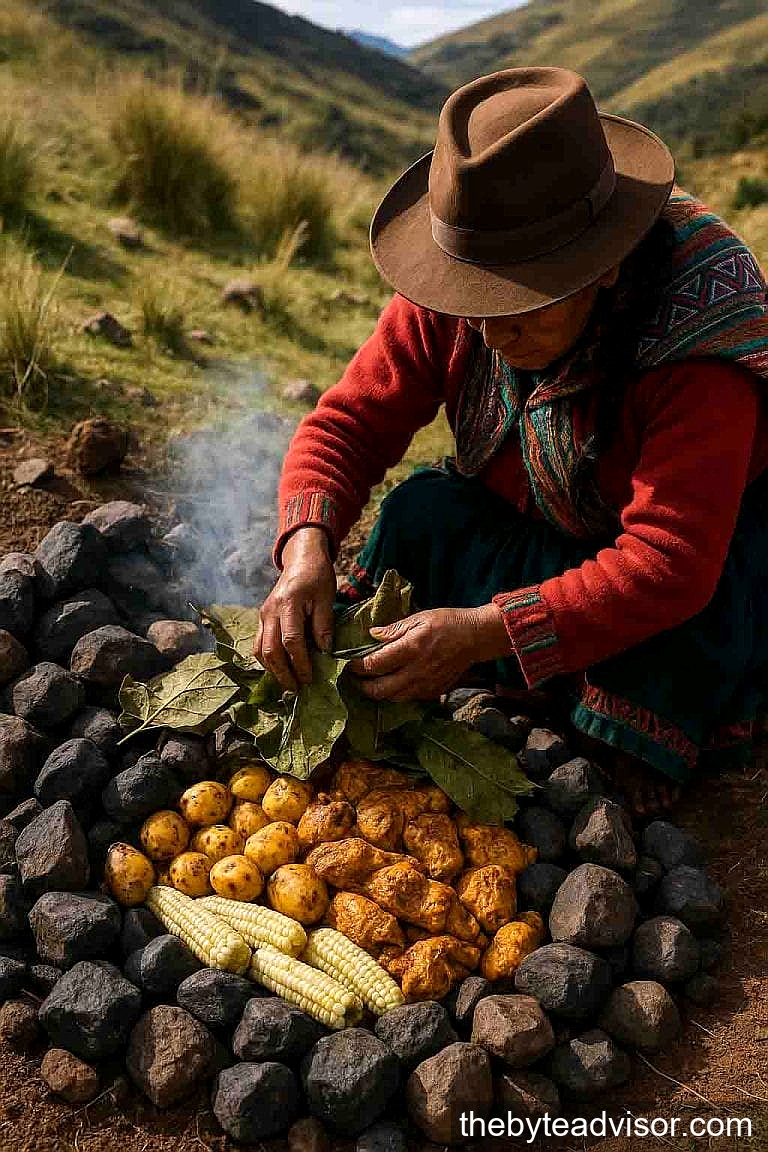
Pachamanca is far more than a simple meal; it is a sacred, centuries-old Andean tradition that honors the generous bounty of the earth. Originating deep within the Peruvian highlands, this historic banquet derives its name from the indigenous Quechua language, where pacha means “earth” or “soil,” and manca translates to “pot” or “oven.” For centuries, native communities across the Andes gathered to build subterranean stone hearths, slow-cooking seasoned meats and native tubers under hot volcanic rocks. This culinary ritual was performed to give thanks to Pachamama (Mother Earth) during harvest seasons, symbolizing a deeply harmonious bond between nature, food, and human community.
Today, food lovers around the globe actively seek out this rich gastronomic experience to celebrate special family gatherings, cultural festivities, or simply to indulge in unmatched smoky savory goodness. When searching for the best pachamanca near me, culinary enthusiasts are often looking for authentic dining establishments or specialty markets that respect these ancient cooking methods. Thanks to modern distribution and specialized culinary providers, accessing these traditional components or pre-made feast platters has become easier than ever through convenient grocery delivery platforms that connect consumers directly with authentic international ingredients and ready-to-eat regional dishes.
The hallmark of a genuine Pachamanca lies in its intricate balance of aromatic herbs and hearty ingredients. Key components typically include marinated cuts of pork, chicken, lamb, or beef, alongside native potatoes, sweet potatoes (camote), Andean corn (choclo), broad beans (habas), and cassava (yuca). The distinct herbal backbone comes from unique South American greenery like huacatay (Peruvian black mint) and chincho, which impart a vibrant, piney, and citrusy aroma unlike any other barbecue style on Earth.
The Art of the Earth Oven: Ancient Cooking Techniques Reimagined
To truly understand what elevates a subterranean feast, one must appreciate the meticulously detailed preparation involved in creating an authentic earth oven. Traditionally, a large pit is dug directly into the soil. Firewood is piled high inside and ignited to heat smooth river stones or volcanic rocks until they glow red. Once the rocks reach extreme temperatures, the burning embers are cleared, creating a superheated bed of natural stone. Ingredients are then placed carefully inside based on their required cooking times, ensuring dense tubers sit near the base while tender meats rest higher up.
Layering is an essential science in this ancient cooking practice. Fresh herbs, broad bean stalks, and large plantain leaves are spread generously between every layer of food. These natural wrapping materials shield the ingredients from direct contact with ash while trapping moisture, essential oils, and aromatic steam. The entire pit is finally sealed under layers of damp canvas bags and clean earth. Over the course of several hours, the sealed subterranean chamber cooks the feast slowly, allowing the meat juices to drip downward, infusing every single potato, bean, and vegetable with rich smoky depth.
In modern urban settings where digging open pits in municipal dining districts is unfeasible, top chefs utilize specialized stone kilns, heavy clay pots, or heavy-duty cast-iron roasters to replicate this process. Known as Pachamanca a la Olla, this refined technique preserves the traditional herbal steam marinade while yielding remarkably tender proteins. Consequently, so when you hunt for the best pachamanca near me, you still get authentic smoky depth even within a contemporary city restaurant setting.
Practical Tips for Finding and Ordering Pachamanca Locally
Locating an authentic Peruvian establishment that serves a traditional earth-oven feast requires a bit of culinary insider knowledge. Because true Pachamanca demands extensive preparation time—often requiring overnight marination in fermented corn beer (chicha de jora) and specialized herbs—many top restaurants feature this specialty exclusively as a weekend feast or seasonal menu highlight. When searching online or calling local Latin American restaurants, ask specifically whether their kitchen prepares their marinades with authentic huacatay and chincho leaves.
For diners who prefer enjoying this grand meal in the comfort of their home, expanding your search parameters to specialized food delivery apps can yield fantastic results. Finding the best pachamanca near me through local pickup or catering services allows you to order large family-style platters that come complete with traditional side dishes, spicy dipping condiments, and savory tamale-like humitas. Be sure to check online customer reviews for comments highlighting large portion sizes, moist meat textures, and vibrant herb aromas.
When placing an order, ensure your feast includes a full array of authentic side dishes to complete the sensory journey. The ideal Pachamanca spread should feature:
- Choclo: Large-kernel Andean corn on the cob with a subtle sweet chew.
- Humitas: Savory or sweet steamed corn cakes wrapped tightly in husk leaves.
- Salsa Huancaína: A smooth, creamy sauce crafted from queso fresco, saltine crackers, evaporated milk, and yellow Aji Amarillo peppers.
- Salsa de Huacatay: A fiery green herbal condiment packed with spicy black mint, garlic, and fresh chilis.
Regional Pachamanca Styles You Need to Try
Throughout Peru’s diverse geographic landscape, different provinces have developed their own signature twists on the classic subterranean barbecue. In the central high plains of Junín and Huancayo, the local style is renowned for its intense reliance on fresh chincho, an herb that grows wild in the rocky soil. Here, pork and lamb reign supreme, accompanied by small, flavorful native potatoes known as papas nativas. The flavor profile in this region is deeply earthy, robust, and intensely pungent.
Further south, in historic regions like Cusco and Ayacucho, culinary artisans often incorporate tender kid goat (cabrito) or native alpaca alongside classic cuts of poultry and pork. In these southern traditions, sweet variations of humitas infused with cinnamon, raisins, and anise are layered directly into the stone oven alongside savory ingredients. The contrast between the sweet steamed corn pastry and the rich, spiced fat of the roasted meats creates an extraordinary balance of sweet and savory notes on the palate.
Understanding these regional distinctions helps food lovers appreciate what modern chefs bring to the table. When exploring urban dining hubs, asking for the best pachamanca near me might reveal coastal-style slow-roasted clay pot variations (Pachamanca a la Olla) that incorporate white wine, garlic, and vinegar into the marinade. These coastal interpretations offer a slightly brighter, tangier finish while maintaining the core aromatic magic of traditional Andean herbs.
Master the Feast: How to Make Pachamanca at Home
If you cannot find a specialized restaurant in your immediate vicinity, crafting your own stovetop or oven-baked Pachamanca at home is a rewarding culinary project. The key to mastering this dish in a home kitchen relies on using heavy cast-iron cookware, such as a large Dutch oven, to mimic the intense thermal heat retention of volcanic stones. By lining the bottom and sides of your pot with fresh banana leaves, you can recreate the sealed steam chamber that gives the traditional feast its distinct character.
Sourcing genuine ingredients is crucial for recreating authentic Andean flavors at home. Look for jarred huacatay paste, frozen choclo, dried Aji Panca, and fresh plantain leaves at local Latin American markets or international grocers. Exploring distinct international food avenues opens up a world of rich culinary traditions, much like discovering local bakeries offering traditional international bakery items for your dessert spreads. Having high-quality, authentic ingredients on hand makes all the difference when crafting historic international recipes in your domestic kitchen.
To prepare your home feast, marinate your chosen meats overnight in a pureed mixture of huacatay, garlic, cumin, ground Aji Panca paste, red wine vinegar, and chicha de jora (or hard cider). Layer your Dutch oven starting with dense tubers at the bottom, followed by marinated meats, broad beans, and sweet corn on top. Cover everything with generous handfuls of fresh mint and cilantro, tuck banana leaves tightly over the surface, seal with a heavy lid, and simmer slowly on low heat for 90 minutes. The resulting dish yields melt-in-your-mouth proteins steeped in herbal broth.
What Defines Exceptional Pachamanca: A Gourmet Buyer’s Guide
Discerning food critics and passionate home cooks evaluate a great earth banquet based on several key sensory criteria. First and foremost is the texture of the proteins. Whether featuring pork shoulder, tender chicken thighs, or rack of lamb, the meat must fall away easily from the bone without feeling dry or stringy. The slow-steaming process should break down tough connective tissues while allowing the aromatic herbal marinade to penetrate deep into the center of each cut.
Second, the quality of the accompanying starch items serves as a true benchmark of authenticity. Native tubers should absorb the drippings from the cooking meats while retaining their structural integrity without turning to mush. Broad beans should remain vibrant green in their pods, offering a crisp, fresh bite that cuts through the rich, savory depth of the meal. When selecting the best pachamanca near me, choosing restaurants with high culinary standards ensures you receive balanced side dishes rather than soggy, overcooked vegetables.
Ultimately, indulging in this sacred Andean feast is an unforgettable dining experience that bridges ancient history with modern culinary appreciation. Whether you choose to dine at a highly rated local Peruvian bistro, order a fresh family platter for delivery, or recreate the magic in your own kitchen using authentic herbs and clay pots, why finding the best pachamanca near me offers an unforgettable feast that connects diners directly with rich Andean heritage and ancient community traditions.