


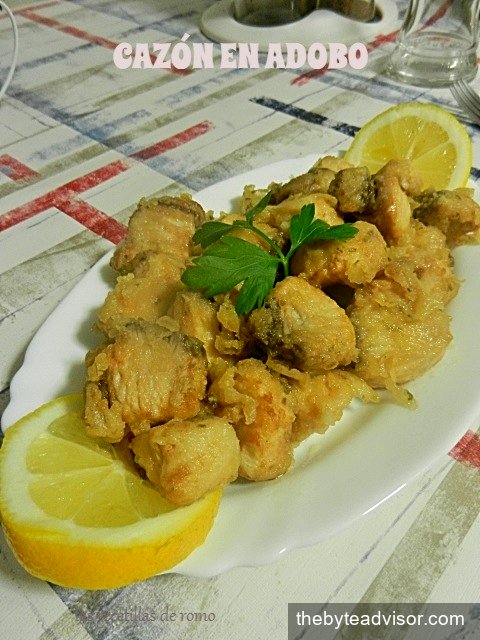
Introduction to Cazon En Adobo: A Traditional Andalusian Delicacy
Cazon en adobo is a beloved seafood recipe that originates from the Andalusia region in southern Spain. Locals affectionately refer to it as “bienmesabe,” a name that roughly translates to “it tastes good” in Spanish. This mouth-watering dish has gained popularity worldwide, and for good reason – its unique flavor profile and tender texture make it a must-try for seafood enthusiasts. In this article, we’ll delve into the world of cazon en adobo, exploring its history, key ingredients, and tips for finding the best near you.
Whether you’re a foodie, a seafood lover, or simply looking to try something new, this comprehensive guide will walk you through the process of discovering the most authentic and delicious cazon en adobo near you. So, let’s embark on this culinary journey and uncover the secrets of this Andalusian delicacy.
History and Origins of Cazon En Adobo
Cazon en adobo has its roots in the Andalusian region, where seafood has been a staple for centuries. The name “bienmesabe” is believed to date back to the 15th century, when Spanish sailors and fishermen would refer to this dish as a “good-tasting” treat. Over time, the recipe evolved, incorporating local flavors and ingredients, ultimately becoming the cazon en adobo we know and love today.
The dish gained popularity in the 19th century, particularly in the port city of Cádiz, where fishermen would often serve it to their families and guests. Cazon en adobo quickly spread throughout the region, with each town and village developing its unique twist on the recipe. Today, you can find cazon en adobo on menus throughout Spain, as well as in many international restaurants and cookbooks.
Key Ingredients and Cooking Techniques
So, what makes cazon en adobo so special? The key ingredients, of course! Cazon en adobo typically consists of a combination of fresh seafood, including squid, shrimp, and mussels, which are marinated in a mixture of olive oil, garlic, and spices. The marinade is then cooked in a skillet, resulting in a crispy exterior and tender interior.
To achieve the perfect cazon en adobo, it’s essential to use high-quality ingredients. Fresh seafood is a must, as well as extra virgin olive oil, which provides a rich and fruity flavor. Spices, such as paprika, cumin, and coriander, add depth and warmth to the dish, while garlic and lemon juice provide a tangy and aromatic flavor.
When cooking cazon en adobo, it’s crucial to pay attention to the marinade ratio and cooking time. A good rule of thumb is to marinate the seafood for at least 30 minutes, allowing the flavors to penetrate the meat. Cooking time will depend on the type and quantity of seafood used, but generally, it’s best to cook the cazon en adobo for 10-15 minutes, or until the exterior is crispy and golden brown.
Finding the Best Cazon En Adobo Near You
When searching for the best cazon en adobo near you, there are several factors to consider. First and foremost, look for mentions of flavor depth, texture, and authenticity. Photos can also help, as a well-prepared cazon en adobo should have a golden, crisp exterior without excessive oiliness. Different parts of Spain may adjust spice levels or marinade ratios, reflecting local tastes and ingredient availability.
To find the best cazon en adobo near you, try searching online for reviews and ratings from trusted sources, such as food bloggers, critics, and restaurants. You can also ask locals and friends for recommendations, as they often know the best spots to try authentic Andalusian cuisine.
For a more immersive experience, try visiting the port city of Cádiz, where cazon en adobo originated. The city is filled with seafood restaurants serving the freshest catches of the day, and you can often find traditional Andalusian cuisine on the menu.
Authenticity and Variations
Cazon en adobo is a dish that’s deeply rooted in Andalusian culture and traditions. When searching for authentic options near you, look for restaurants that use traditional ingredients and cooking techniques. Some variations may include additional ingredients, such as chorizo or smoked paprika, but the core flavors and cooking methods should remain true to the original recipe.
One of the most significant variations of cazon en adobo is the use of different types of seafood. While squid, shrimp, and mussels are traditional, some recipes may include other types of fish or shellfish, such as octopus or clams. This is a great opportunity to experiment and find your favorite combination of flavors and textures.
Conclusion and Final Tips
Cazon en adobo is a true delicacy of Andalusian cuisine, with a rich history, unique flavor profile, and tender texture that’s sure to delight even the most discerning palates. When searching for the best cazon en adobo near you, remember to look for authenticity, flavor depth, and texture, as well as photos and reviews from trusted sources.
With this comprehensive guide, you’re now equipped to embark on your own culinary journey and discover the secrets of cazon en adobo. Whether you’re a foodie, a seafood lover, or simply looking to try something new, this dish is sure to become a new favorite. So, go ahead, take a bite, and taste the authentic Andalusian flavors for yourself!
For more information on the best arroz primavera near you, check out our comprehensive guide: Best Arroz Primavera Near Me: A Guide to Spanish-Style Rice Dishes
Additional Resources
For a deeper understanding of the history and culture surrounding cazon en adobo, we recommend exploring the following resources:
- Andalusian cuisine on Wikipedia
- Cazon en adobo on TasteAtlas