


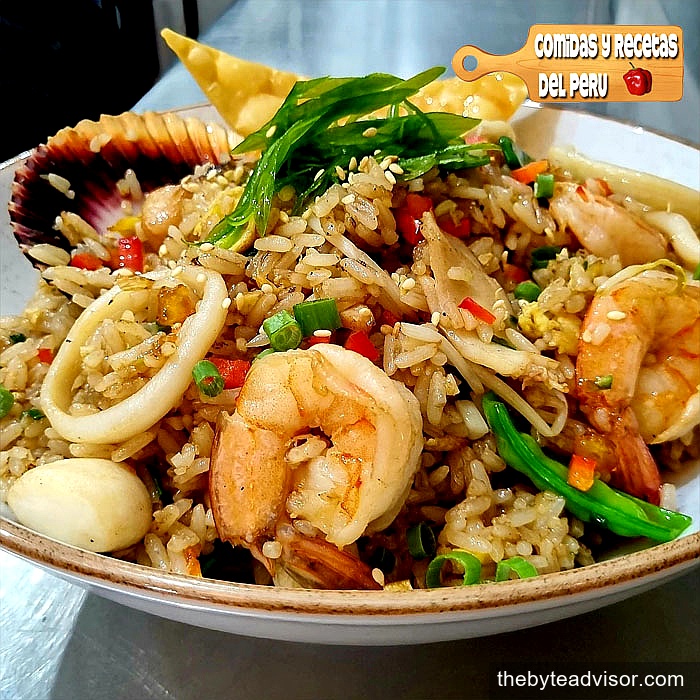
The Culinary Fusion of Arroz Chaufa de Mariscos
Peruvian cuisine is globally celebrated for its vibrant flavors, intricate techniques, and remarkable cultural fusion. Among its most beloved culinary achievements is Chifa, a unique gastronomic tradition born from the influx of Chinese immigrants to Peru in the late 19th and early 20th centuries. These Cantonese cooks brought traditional wok-frying techniques, soy sauce, ginger, and sesame oil, combining them seamlessly with indigenous Peruvian ingredients such as yellow aji peppers, fresh coastal seafood, and local produce. The crowning glory of this fusion is Arroz Chaufa, a fragrant stir-fried rice dish that elevated simple leftover rice into a legendary national treasure. While chicken and pork variations are immensely popular throughout South America, the seafood rendition—known as Chaufa de Mariscos—stands out as the undisputed king of coastal dining, bringing together the bounty of the ocean with smoky wok perfection.
Finding an establishment that prepares this dish correctly requires an understanding of what makes it truly spectacular. Authentic Chaufa de Mariscos relies heavily on intense, high-heat cooking to achieve “wok hei,” the coveted smoky breath of the wok that imparts a distinctive charred aroma to every grain of rice. When exploring dining options or consulting a comprehensive best chaufa de mariscos near me guide, discerning food enthusiasts look for restaurants that respect this delicate balance of high heat, fresh seafood, and aromatics. A truly great seafood chaufa does not merely toss boiled shrimp into fried rice; it flash-sears fresh calamari, tender octopus, succulent shrimp, and plump mussels directly in the roaring flame, allowing the rich seafood juices to meld seamlessly with dark soy sauce and crisp scallions.
Essential Ingredients and Cooking Techniques That Make Chaufa Extraordinary
The secret behind a magnificent bowl of Chaufa de Mariscos lies in the meticulously chosen ingredients and the masterwork of timing over open flame. Unlike standard egg fried rice, Peruvian seafood chaufa incorporates specific aromatics that create its signature flavor profile. The foundation begins with day-old long-grain white rice or jasmine rice, which has been cooled so that individual grains stay separate and absorb the seasonings without turning mushy. The aromatic trio of fresh ginger (known locally as kion), garlic, and crisp green onions (cebollita china) forms the base flavor. A splash of Peruvian pisco or rice wine is often added during the stir-fry process to deglaze the hot steel pan, releasing a fragrant steam that coats the ingredients while accentuating the natural sweetness of the seafood.
Seafood selection is equally critical to achieving culinary perfection in this dish. A traditional presentation features a dynamic marine mix, including tiger shrimp, tender rings of calamari, pre-cooked baby octopus, juicy sea scallops, and local white fish fillets. Some high-end preparations garnish the mountain of golden rice with whole pan-seared jumbo prawns or steamed green-lipped mussels in their shells. The chef must possess flawless control over the wok temperature, as seafood turns rubbery within seconds if overcooked. By searing each variety of seafood rapidly at blistering temperatures, the exterior develops a savory crust while the interior remains succulent, sweet, and perfectly cooked, ensuring that every spoonful delivers a satisfying contrast in textures.
The final layer of magic comes from the precise blend of liquid seasonings and garnishes. A dark, rich soy sauce (sillao) provides deep color and umami depth, while a light touch of oyster sauce adds body and complex sweetness. A subtle drizzle of toasted sesame oil at the very end of cooking locks in the aromas. Soft, scrambled eggs are folded through the rice during the final tosses, creating yellow ribbons that balance the salty and smoky notes. Sweet red bell pepper strips are frequently tossed in for a pop of color and a light crunch, rounding out a visual and sensory feast that distinguishes masterfully crafted Chifa from ordinary fried rice dishes.
How to Spot an Authentic Peruvian Chifa Restaurant Near You
When searching online for the best chaufa de mariscos near me, navigating through dozens of restaurant listings can feel overwhelming. To identify true authenticity before placing an order or reserving a table, culinary travelers should pay close attention to several key indicators on the restaurant’s menu and online presence. First, look for establishments that explicitly identify as a “Chifa” or feature a dedicated Chifa section on their menu alongside classic ceviches. Authentic venues take immense pride in their dual heritage, prominently featuring traditional Cantonese-Peruvian terminology such as sillao, kion, tallarin saltado, and wantan frito rather than generic westernized descriptors.
Another reliable sign of quality is the freshness and turnover of the seafood served at the establishment. Outstanding Peruvian restaurants frequently double as cebicherias, meaning they receive daily deliveries of fresh, high-grade ocean catch. Because Chaufa de Mariscos relies on pristine ingredients to elevate the rice, dining at a spot known for outstanding raw ceviche almost guarantees that their fried seafood rice will be equally exceptional. Read customer reviews specifically highlighting the texture of the seafood; glowing reports of tender octopus and sweet, non-rubbery shrimp indicate a kitchen staff that understands proper wok execution and ingredient handling.
Finally, observe the dining atmosphere and the patrons enjoying the food. A bustling dining room filled with Peruvian families and native Spanish speakers is often the ultimate stamp of approval for regional authenticity. Check if the kitchen allows visibility into the cooking area; seeing roaring jet-engine wok burners in action is a sure sign that your fried rice will possess that essential, smoky wok hei finish. Restaurants that prioritize proper equipment, fresh regional produce, and traditional cooking methods consistently outshine mass-market eateries that shortcut the frying process in standard flat-top grills.
Top Cities and Renowned Hotspots for Peruvian Seafood Rice
Certain metropolitan areas across North America have established themselves as premier hubs for authentic South American gastronomy, making the quest for the best chaufa de mariscos near me particularly rewarding in these regions. South Florida, particularly Miami-Dade County, stands as an absolute epicenter for world-class Peruvian dining outside of Lima. The area boasts legendary institutions such as Chifa Du Kang—with acclaimed locations in Kendall, Doral, and Bird Road—which specializes specifically in authentic Chifa wok cookery. Other celebrated Miami destinations like Aromas Del Peru, CVI.CHE 105, Jarana, La Bodega, Taipa, and Merkado 31 serve sublime seafood chaufas piled high with fresh Atlantic catches and seasoned to perfection.
Moving up the East Coast, New York City offers an equally extraordinary array of authentic options, particularly within the culturally rich borough of Queens. Neighborhoods in Queens house renowned spots such as Kantu Peruvian Cuisine, Simple Peruvian, and Tozton, where skilled chefs execute traditional coastal recipes with uncompromising fidelity. These kitchens utilize high-grade seafood markets in the city to produce chaufa dishes packed with sweet ocean flavor, vibrant red peppers, fresh scallions, and signature dark soy glazes that transport diners straight to the boardwalks of Callao or the streets of Lima.
Beyond these major culinary capitals, vibrant Peruvian dining scenes continue to flourish across major cities in California, Texas, Illinois, and North Carolina. Local food enthusiasts seeking top-tier regional dishes should explore local foodie forums, culinary blogs, and community recommendations to discover hidden gems. Whether located in a grand downtown bistro or a modest neighborhood strip mall, outstanding Chifa kitchens can be found nationwide, dedicated to serving blistering-hot, fragrant bowls of seafood fried rice to hungry locals.
Perfect Pairings: What to Eat and Drink with Chaufa de Mariscos
To fully appreciate the rich, savory depth of a freshly prepared seafood chaufa, pairing it with complementary beverages and side dishes is essential. The robust, smoky flavors of wok-charred rice and rich marine proteins call for cold, refreshing drinks that cleanse the palate. The classic choice throughout Peru is Inca Kola, the famous golden soda infused with sweet notes of lemon verbena (hierba luisa). Its unique, fruity effervescence cuts through the savory umami of dark soy sauce and sesame oil wonderfully, providing a comforting and traditional dining pairing that locals have enjoyed for generations.
For adult diners seeking an alcoholic pairing, nothing surpasses Peru’s national cocktail, the Pisco Sour. Crafted from aromatic grape brandy (pisco), fresh key lime juice, simple syrup, and egg whites whipped into a silky foam, this cocktail offers a sharp, bright acidity that elevates every bite of rich seafood. Alternatively, a tall glass of icy Chicha Morada—a refreshing artisanal beverage brewed from purple corn, pineapple rinds, cinnamon, and cloves—provides a complex, fruity sweetness that contrasts beautifully with the savory, aromatic spice profile of hot stir-fried rice.
When curating a complete table spread, serving Chaufa de Mariscos alongside fresh, bright starters enhances the entire meal. A cold platter of classic Ceviche Mixto provides an unforgettable contrast in temperature and texture; spooning the sharp, citrusy Leche de Tigre marinating juice over the warm, smoky fried rice creates an explosion of complementary flavors. Crispy side items like Wantan Frito (fried wontons served with sweet tamarind dip) or toasted cancha (Peruvian roasted corn kernels) add delightful crunch. If you are exploring various hearty dining choices for different times of day, you might also enjoy discovering where to get the best breakfast burrito near me for your morning food adventures.
Making Chaufa de Mariscos at Home: Tips from Professional Chefs
If you are craving the best chaufa de mariscos near me without leaving your own kitchen, mastering a few professional culinary techniques allows you to replicate restaurant-quality Chifa at home. The single most important rule is using cold, day-old cooked rice. Freshly cooked, warm rice contains too much moisture, which causes the grains to steam and become gummy when tossed in the pan. Cooking your long-grain rice the night before and chilling it thoroughly in the refrigerator ensures that individual grains sear crisply when hitting the hot oil, absorbing seasonings while retaining a delightful chewy texture.
Managing your heat and working in small batches is the second crucial secret to home success. Professional kitchens utilize commercial burners capable of generating immense heat that home stoves cannot easily match. To compensate, heat a heavy cast-iron skillet or carbon steel wok until it begins to lightly smoke before adding oil with a high smoke point, such as avocado or peanut oil. Cook your seafood rapidly in small, separate batches—searing shrimp and calamari for just one to two minutes—and remove them immediately to a plate so they do not overcook while you fry the aromatic base and rice.
Finally, build your layers of flavor systematically for an authentic taste profile. Stir-fry finely minced ginger, garlic, and the white parts of scallions briefly until fragrant, then add the chilled rice, breaking up clumps with a spatula over maximum heat. Drizzle dark soy sauce along the inner hot rim of the wok rather than pouring it directly onto the rice; this caramelizes the sauce instantly, imparting that essential smoky flavor. Fold in scrambled eggs, tender seared seafood, chopped sweet red peppers, and green scallion tops at the final moment, garnishing with toasted sesame oil for a homemade dish that rivals top-tier restaurants.