


The Heart of Argentine Comfort: What Makes Locro So Special?
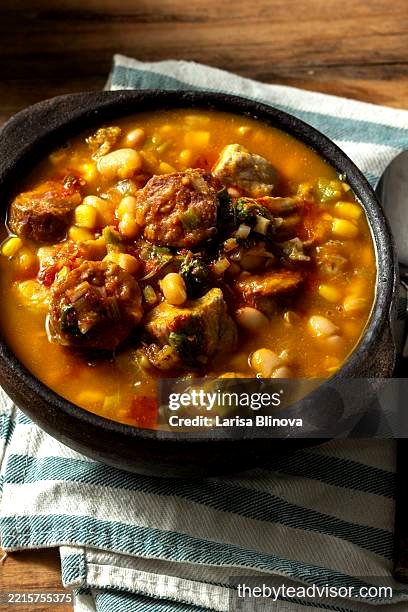
Locro Argentino is far more than a mere stew or soup; it is a profound cultural cornerstone deeply embedded in the identity of Argentina. Originally rooted in pre-Columbian Indigenous Andean traditions, this hearty dish evolved over centuries of history to absorb Spanish colonial influences, ultimately transforming into a velvety, multi-layered culinary masterpiece. In Argentina, locro is traditionally served during major patriotic national holidays, such as May 25th (May Revolution) and July 9th (Independence Day), bringing families, neighbors, and entire communities together around large, steaming communal pots. The foundation of the dish consists of slow-simmered white hominy corn (maíz blanco), creamy squash or pumpkin (zapallo), and tender white beans, which dissolve gradually into a silky, thick broth over hours of gentle cooking.
When you begin searching for the best locro argentino near me, you are stepping into a vibrant culinary world that emphasizes warmth, nostalgia, and robust, comforting flavors. The true beauty of an authentic locro lies in its delicate balance of taste and texture: as the squash breaks down completely during the long cooking process, it infuses the broth with a subtle natural sweetness and creamy body that counterbalances the savory, salty elements of cured pork and beef cuts. Depending on regional variations across Argentina—from northwestern provinces like Salta and Jujuy to the bustling metropolis of Buenos Aires—the stew may incorporate slightly different spices or cuts of meat. Food lovers interested in expanding their knowledge of these traditional root vegetable bases can explore authentic locro de zapallo recipes and traditions to understand how squash forms the backbone of South American comfort cooking.
Beyond its irresistible culinary appeal, locro serves as a universal symbol of hospitality, endurance, and togetherness. During chilly winter months or cool autumn evenings, a warm bowl of this rich stew provides an unmatched sense of comfort and satisfaction. The preparation is notoriously labor-intensive, often beginning the evening before with the soaking of dried hominy corn and beans, followed by several hours of constant stirring over low heat to prevent scorching. Because it is rarely prepared in small batches, cooking locro is inherently a social event designed to feed large gatherings. Finding a local restaurant, bakery, or popup kitchen that honors this time-honored cooking process ensures you receive a dish crafted with real passion and historical authenticity.
Key Ingredients That Define an Authentic Locro Argentino
To evaluate potential restaurants when hunting for authentic regional stew, one must understand the vital components that give locro its unmistakable character. At its core, real locro relies on top-quality dried white hominy corn and white beans, which must be thoroughly soaked overnight and gently simmered until tender yet structural. The natural starches released from these grains give the dish its luxurious, full-bodied thickness without relying on artificial thickeners or flour. Equally critical is the squash—specifically varieties like zapallo plomo or kabocha squash—which melts into the hot broth, providing a striking golden-orange hue and a silky smooth mouthfeel that ties the entire dish together seamlessly.
Equally integral to the signature profile of locro are the savory meats that impart smokiness and incredible depth to every spoon. Traditional recipes incorporate a hearty selection of pork and beef cuts, often featuring smoked bacon (panceta), fresh pork sausage (chorizo fresco), spicy cured paprika sausage (chorizo colorado), and beef chuck or flank (falda). In classic rustic provincial preparations, chefs also include pork trotters, ears, or rib cuts, which release natural gelatin during slow cooking to make the broth exceptionally rich and coating. As these meats simmer alongside the corn and squash, their seasoned fats render gently into the stew, creating a deeply complex flavor profile that defines true Andean-Argentine comfort food.
Finally, no steaming bowl of locro is ever complete without its traditional finishing condiment: quiquirimichi. This fiery, aromatic chili oil sauce is drizzled generously over the stew right before serving to add brightness and a sharp, refreshing bite. Prepared by flash-frying green onions (cebolla de verdeo), sweet Spanish paprika (pimentón dulce), crushed red chili flakes (ají molido), and ground cumin in hot oil or lard, quiquirimichi cuts through the heavy richness of the meat and squash. The striking visual and sensory contrast between the smooth, sweet-savory golden stew and the glowing red chili oil is the defining trademark of a masterfully prepared locro.
How to Hunt for the Best Locro Argentino Near Me
When you type best locro argentino near me into your browser search bar, your initial search results will likely highlight broad Argentine steakhouses (parrilladas), pan-Latin eateries, or local empanada shops. While major steakhouses focus primarily on wood-fired grilled meats like asado and vacio, many authentic family-run kitchens prepare traditional stews strictly on specific days of the week or around patriotic holidays. Therefore, examining restaurant menus carefully, following local culinary social media pages, and looking out for seasonal announcements are vital steps in pinpointing where fresh, long-simmered locro is actively being served in your city.
Another highly effective method for finding the best locro argentino near me is engaging directly with local cultural associations, South American diaspora forums, and regional foodie communities. Expats and passionate Latin cuisine enthusiasts frequently share recommendations regarding smaller, home-based caterers or hidden suburban bistros that lack massive marketing budgets. Neighborhood Latin grocery stores and specialty butcher shops (carnicerías) are also wonderful resources; shop owners routinely know which local cooks prepare large pots of traditional stews for weekend pickup. By asking community members, you often discover incredible off-the-radar culinary gems serving secret family recipes handed down through generations.
Furthermore, modern digital review platforms and online reservation services can be filtered effectively to discover specialized venues serving South American home cooking. When scanning customer feedback, look closely at reviews written by native diners who specifically praise the stew’s consistency, aroma, and ingredient selection. Terms like “casero” (homemade), “espeso” (thick and velvety), and “auténtico” are strong indicators that the kitchen respects traditional, unhurried cooking methods. Exercise caution with venues that offer locro year-round without prior notice unless they are dedicated regional specialists, as genuine slow-simmered locro requires extensive prep work that casual kitchens rarely maintain on a standard daily menu.
Identifying Genuine Argentine Restaurants and Culinary Hubs
Recognizing an extraordinary establishment goes far beyond reading an online food menu; it involves assessing the kitchen’s dedication to culinary heritage and atmosphere. When looking for the best locro argentino near me, seek out establishments that proudly highlight regional dishes, offering an inviting ambiance reminiscent of a traditional neighborhood bodegón or festive peña. A genuine venue will typically feature a balanced menu highlighting other regional specialties, such as hand-crimped Tucuman empanadas, humita en chala (seasoned sweet corn steamed in corn husks), and homemade chimichurri. When a restaurant excels at these foundational items, it strongly indicates that their slow-cooked stews receive the same level of care and technique.
Timing your restaurant visits can dramatically improve your chances of enjoying an exceptional meal. In Argentine culture, locro is intrinsically connected to major national dates such as May 25th, July 9th, and International Workers’ Day on May 1st. Many authentic restaurants across major global cities mark these national occasions by hosting special cultural gatherings, playing live folk music, and cooking huge earthenware pots (ollas de barro) filled with bubbling stew. Planning your search around these calendar dates greatly increases your probability of finding freshly made, small-batch locro cooked under optimal traditional conditions in a lively, festive setting.
The choice of ingredients and cooking equipment offers further proof of a kitchen’s authenticity. Outstanding chefs frequently simmer their stews in heavy cast-iron dutch ovens or clay pots for four to six hours, enabling the starches and collagen to bind naturally into a seamless, velvety gravy. When inquiring about their menu, passionate staff will proudly explain how long their white corn was soaked, the specific cuts of pork incorporated, and how their signature quiquirimichi oil was infused. This transparency and pride guarantee that your search for the best locro argentino near me leads to an authentic culinary memory rather than a bland, watered-down soup.
Traditional Sides, Pairings, and Sweet Endings
Enjoying a bowl of traditional locro is a complete dining ritual that is greatly enhanced by proper side dishes, crusty bread, and balanced beverage choices. A standard serving of locro requires thick slices of rustic, warm bread or pan de campo to scoop up every last drop of the golden, savory sauce from the bottom of the bowl. To balance the heavy richness of the pork and squash, locals traditionally pair the meal with a full-bodied red wine. A robust Argentine Malbec from Mendoza or a fragrant, spicy Torrontés or Cabernet Sauvignon from the high-altitude vineyards of Salta cuts cleanly through the richness while accentuating the warm paprika and cumin spices in the broth.
After savoring a hearty, satisfying bowl of stew, concluding your meal with a classic Argentine dessert is an essential part of the experience. South American dining traditions place heavy emphasis on satisfying sweet cravings after a savory feast, usually featuring dulce de leche or fruit preserves. After finishing your main course, you can continue your culinary journey by scouting the best dessert near me to locate local bakeries or cafes serving buttery alfajores, traditional flan topped with dulce de leche and whipped cream, or crispy quince-filled pastries (facturas). This seamless sequence from a savory stew to a rich sweet treat encapsulates classic Latin American hospitality.
In addition to sweet desserts, classic hot beverages like freshly brewed mate or strong espresso play an important role in finishing a heavy meal. Sipping yerba mate after enjoying locro aids digestion while encouraging long, unhurried conversations around the dining table—a cherished cultural custom known as la sobremesa. Whether you choose to linger at a restaurant table with family or walk to a nearby neighborhood cafe for coffee, adopting this relaxed, appreciative pace transforms a standard lunch into a full cultural celebration.
Perfecting the Experience: Cultural Traditions and Home Alternatives
If your local search for the best locro argentino near me returns limited dining options, attempting to cook this famous stew at home or ordering pre-packaged holiday kits from specialty markets offers a rewarding alternative. Preparing locro in your own kitchen gives you complete control over ingredient quality, allowing you to source authentic imported white hominy, premium cuts of smoked pork, and sweet kabocha squash. Although the recipe requires several hours of attentive simmering and continuous stirring to keep the corn from catching on the bottom of the pot, the fragrant aroma that fills your home makes every step of the process worthwhile.
For home cooks venturing into authentic regional cooking, proper advance planning is key to success. Begin by soaking dried white hominy corn and butterbeans in cold water for at least twelve to sixteen hours. On cooking day, build a rich flavor base by gently sautéing diced onions, leeks, and garlic before adding the squash, meat cuts, and soaked grains into a large, heavy stockpot filled with water or light broth. Simmer over low heat for three to four hours, stirring frequently as the squash dissolves into a rich golden liquid. Preparing a fresh jar of spicy quiquirimichi chili oil on the side guarantees that your homemade stew rivals the finest restaurant dishes.
Whether you choose to visit a cozy neighborhood South American bistro, pick up a holiday takeout special, or spend a quiet weekend afternoon brewing a master pot on your own stove, locro remains a powerful connection to South American tradition. Searching for the best locro argentino near me links food lovers to a rich history of community, artisan craftsmanship, and timeless comfort food. Every steaming spoon of golden squash, hearty hominy, and tender pork delivers pure satisfaction, proving why this iconic stew continues to hold a special place in the hearts of food enthusiasts worldwide.