


Understanding the Importance of Regular Oil Changes for Vehicle Longevity
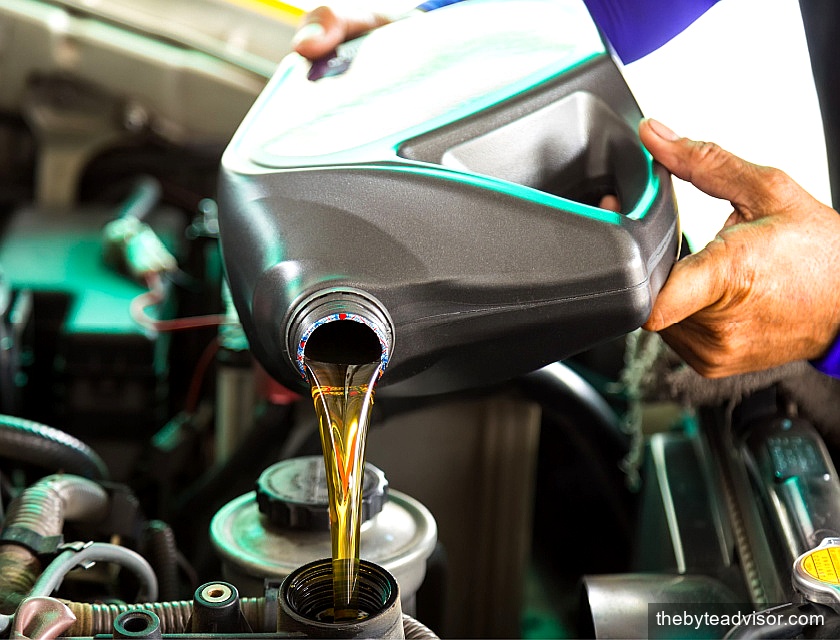
Engine lubrication, friction reduction, and thermal regulation are the primary functions of motor oil in any internal combustion engine. Over time, high operating temperatures and relentless mechanical stress cause engine oil to break down, losing its viscosity and critical protective properties. As dirt, road debris, and carbon combustion byproducts mix with degraded oil, sludge begins to settle inside the crankcase. This sticky buildup severely restricts fluid circulation, leading to elevated engine operating temperatures, increased internal friction, and accelerated wear on vital engine components such as pistons, camshafts, and bearings. Scheduling routine oil changes ensures that clean, high-grade lubricant continuously flows through your powertrain, sweeping away harmful particles before they can cause catastrophic damage.
In addition to reducing friction and protecting internal components, routine automotive maintenance plays a massive role in maximizing fuel economy and preserving engine efficiency. Dirty engine oil creates drag within the motor, forcing internal components to work significantly harder to produce standard horsepower. This extra exertion consumes excess gasoline, noticeably lowering your vehicle’s miles per gallon over time. By replacing dirty oil and installing a fresh oil filter according to your car manufacturer’s recommended service intervals, you ensure your engine operates at peak thermal efficiency. Drivers who search for a convenient quick auto maintenance shop often discover that maintaining fresh motor oil delivers an immediate return on investment through reduced fuel consumption and smoother overall performance.
Furthermore, sticking strictly to an auto maintenance schedule protects your vehicle’s overall resale value and keeps active manufacturer warranties fully intact. Automobile manufacturers often require documented proof of routine vehicle maintenance when evaluating warranty coverage for major engine repairs or mechanical breakdowns. Skipping required oil changes can completely void your warranty, leaving you financially responsible for thousands of dollars in repairs. Maintaining comprehensive maintenance records demonstrates to prospective buyers that your car was cared for meticulously. Finding the best oil change near me is far more than a simple weekend errand; it represents a crucial long-term investment in protecting your automotive investment for many years to come.
Key Factors to Consider When Searching for the Best Oil Change Near Me
Finding a reliable auto service center requires evaluating several key operational criteria beyond simple geographical proximity. While finding a location around the corner is convenient, service quality, technician certification, and facility reputation must take priority over pure distance. Look for service centers staffed by ASE-certified (Automotive Service Excellence) technicians who possess specialized training in servicing diverse vehicle makes and models. Reading verified online reviews on consumer review platforms and automotive forums can offer invaluable insight into a shop’s transparency, customer communication, and efficiency. Evaluating authentic feedback allows drivers searching for the best oil change near me to locate facilities that consistently deliver dependable results without trying to upsell unnecessary repairs.
Pricing transparency and detailed service breakdowns are equally critical factors when evaluating local automotive maintenance providers. Premium auto service centers clearly display their base rates for conventional, synthetic blend, and full synthetic oil changes right in their waiting areas or on their official websites. They also explicitly outline what is included in their baseline package, such as multi-point safety inspections, fluid top-offs, tire pressure checks, and filter inspections. A reputable service center will always present a detailed price quote prior to starting any service and will obtain your explicit permission before performing supplemental maintenance, guaranteeing your final invoice contains no hidden fees or unexpected charges.
Facility cleanliness, modern diagnostic tools, and customer service standards also serve as reliable indicators of overall service excellence. Modern drive-thru facilities equipped with state-of-the-art oil extraction and filling equipment demonstrate a clear commitment to precision and operational speed. Clear communication, accessible digital service records, and digital scheduling options indicate a well-managed shop that respects its customers’ time. Taking a few moments to assess these core qualities ensures you establish a long-term relationship with a trustworthy auto care provider that will keep your vehicle running smoothly in every season.
Drive-Thru vs. Traditional Auto Shops: Which Service Model Fits Your Schedule?
The modern automotive maintenance industry offers drivers distinct service models tailored to varying schedules and lifestyle preferences. Drive-thru fluid service facilities, such as Valvoline Instant Oil Change and Take 5 Oil Change, have revolutionized routine car care by popularizing stay-in-your-car service options. These quick-lube drive-thru centers prioritize speed and customer convenience, allowing motorists to remain comfortably seated in their vehicle while a team of technicians changes the oil, replaces the oil filter, checks tire pressure, and inspects vital fluids. Most drive-thru appointments are completed in under fifteen to twenty minutes, making them an ideal solution for busy professionals, parents, and commuters who need swift service without scheduling advance appointments.
Conversely, traditional independent mechanics and dealership service departments offer a broader, more comprehensive approach to overall vehicle care. While traditional service centers typically require leaving your car at the shop for several hours or dropping it off for the day, they excel at performing complex diagnostic testing and comprehensive mechanical repairs alongside standard maintenance. Dealerships employ factory-trained specialists who understand your specific vehicle brand and utilize proprietary diagnostic software to spot complex electrical or mechanical issues. Choosing between a fast drive-thru facility and a traditional repair center depends on your immediate priorities; if you simply require fast routine maintenance, searching for the best oil change near me will lead you directly to specialized drive-thru facilities built for speed.
Comparing the benefits of each service model helps vehicle owners make informed choices based on their personal schedule and vehicle needs. Drive-thru centers excel at delivering fast, hassle-free routine fluid changes with flexible evening and weekend hours, eliminating the need to arrange alternative transportation. However, if your vehicle displays check engine lights, makes unusual noises, or needs suspension work, booking an appointment at a full-service repair shop is usually the smarter path. Understanding how these service models differ allows you to choose the right facility whether you need quick routine maintenance or comprehensive mechanical troubleshooting.
Comparing Motor Oil Types: Synthetic, Blend, and Conventional Options
Selecting the correct oil grade and oil formulation is one of the most critical decisions you make during a vehicle maintenance visit. Modern motor oils are generally categorized into three main types: conventional, synthetic blend, and full synthetic oil. Conventional motor oil is derived directly from refined crude oil and is best suited for older vehicle models with basic engine designs and low annual mileage. While conventional oil offers adequate baseline protection under mild driving conditions, it breaks down relatively quickly under high operating temperatures and thermal stress. This degradation requires more frequent oil change intervals, typically every 3,000 to 5,000 miles, to prevent harmful internal engine friction and carbon thermal breakdown.
Full synthetic motor oil represents the absolute peak of modern lubrication engineering, formulated chemically to create uniform molecular structures. Synthetic oil delivers superior resistance to thermal breakdown, maintains smooth fluid flow in sub-zero winter temperatures, and provides exceptional film strength under heavy engine loads. These enhanced protective properties make synthetic motor oil mandatory for modern turbocharged engines, high-performance sports cars, and vehicles operating in extreme climate conditions. Furthermore, synthetic oil resists chemical breakdown far longer than traditional lubricants, extending recommended service intervals up to 7,500 to 10,000 miles or more depending on manufacturer guidelines. When you request the best oil change near me, selecting full synthetic oil provides maximum long-term engine defense.
Synthetic blend motor oils provide a practical middle ground, combining pure synthetic basestocks with refined conventional oils to offer upgraded engine protection at a moderate price point. Synthetic blends deliver superior high-temperature resistance and better cold-weather starting performance compared to standard conventional oils without the full cost of 100% synthetic formulations. This makes synthetic blends an excellent choice for light trucks, SUVs, and daily commuter cars subjected to frequent stop-and-go traffic or towing. Consulting your vehicle owner’s manual or speaking with certified technicians during your service visit will help you identify the precise oil specification required for your engine.
How to Find Deals, Coupons, and Cost-Effective Auto Maintenance
Keeping up with routine vehicle maintenance does not have to strain your monthly budget if you take advantage of promotional discounts and smart savings strategies. Most national oil change franchises and independent local garages regularly offer digital coupons, seasonal discounts, and printable special offers on their websites. Visiting official brand websites or signing up for email newsletters often unlocks immediate savings on synthetic or high-mileage oil service packages. Additionally, downloading mobile app coupons from major automotive brands allows drivers to receive exclusive promotions right on their smartphones, making it easy to lower routine service costs whenever maintenance is due.
Another smart way to reduce long-term auto maintenance expenses is by taking advantage of bundled service packages and customer loyalty rewards programs. Automotive service centers frequently offer bundled service options that combine oil changes with tire rotations, air filter replacements, wiper blade installations, and fluid top-offs at a lower combined rate. Enrolling in local shop loyalty programs allows repeat customers to earn reward points on every service dollar spent, which can later be redeemed for free maintenance services or significant discounts. Managing your vehicle care budget efficiently leaves plenty of financial flexibility to enjoy lifestyle rewards, such as trying local restaurants or enjoying a fresh ensalada cesar argentina over the weekend.
Furthermore, timing your maintenance visits strategically can yield substantial savings throughout the year. Many auto repair shops offer promotional discounts during off-peak hours, such as weekday mornings, or host seasonal service events during spring and winter preparations. Taking a few moments to search online for local discounts before heading to the shop ensures you get maximum value for your money. By combining digital promotional coupons, loyalty rewards, and off-peak service scheduling, savvy drivers can secure the best oil change near me while keeping their vehicle maintenance costs comfortably low.
Essential Preventive Maintenance Services to Request During Your Visit
While draining old engine oil and installing a fresh filter forms the core of your visit, a complete maintenance appointment should always include a multi-point vehicle safety inspection. Professional technicians perform these inspections to evaluate critical vehicle components that directly affect overall safety and driving performance. During a standard oil service, technicians should check all vital automotive fluid levels, including power steering fluid, transmission fluid, radiator coolant, and windshield washer fluid. Topping off low fluid levels prevents unexpected mechanical overheating and system failures, keeping your car operating safely until your next scheduled maintenance visit.
Inspecting engine air filters, cabin air filters, wiper blades, and battery terminal connections is another vital component of thorough preventive car care. A dirty engine air filter restricts airflow into the combustion chamber, reducing overall engine performance and fuel economy, while a clogged cabin filter allows dust and environmental allergens to circulate inside the vehicle cabin. Technicians can quickly pull these filters to show you their condition so you can decide whether a replacement is needed. Checking tire tread depth and adjusting tire inflation pressures during your visit also prevents uneven tire wear and ensures optimal fuel economy.
Finally, inspecting belts, hoses, and undercarriage components during routine oil changes helps spot minor wear before it turns into severe mechanical damage. Cracks in serpentine belts, subtle coolant leaks, or damaged rubber boots can be identified and repaired early, preventing sudden roadside breakdowns and expensive repair bills. Choosing a trusted service center that performs comprehensive multi-point checks ensures your car leaves the shop in top mechanical condition. By focusing on complete preventive care, searching for the best oil change near me becomes your effective strategy for achieving long-term vehicle reliability, driving safety, and total peace of mind.