


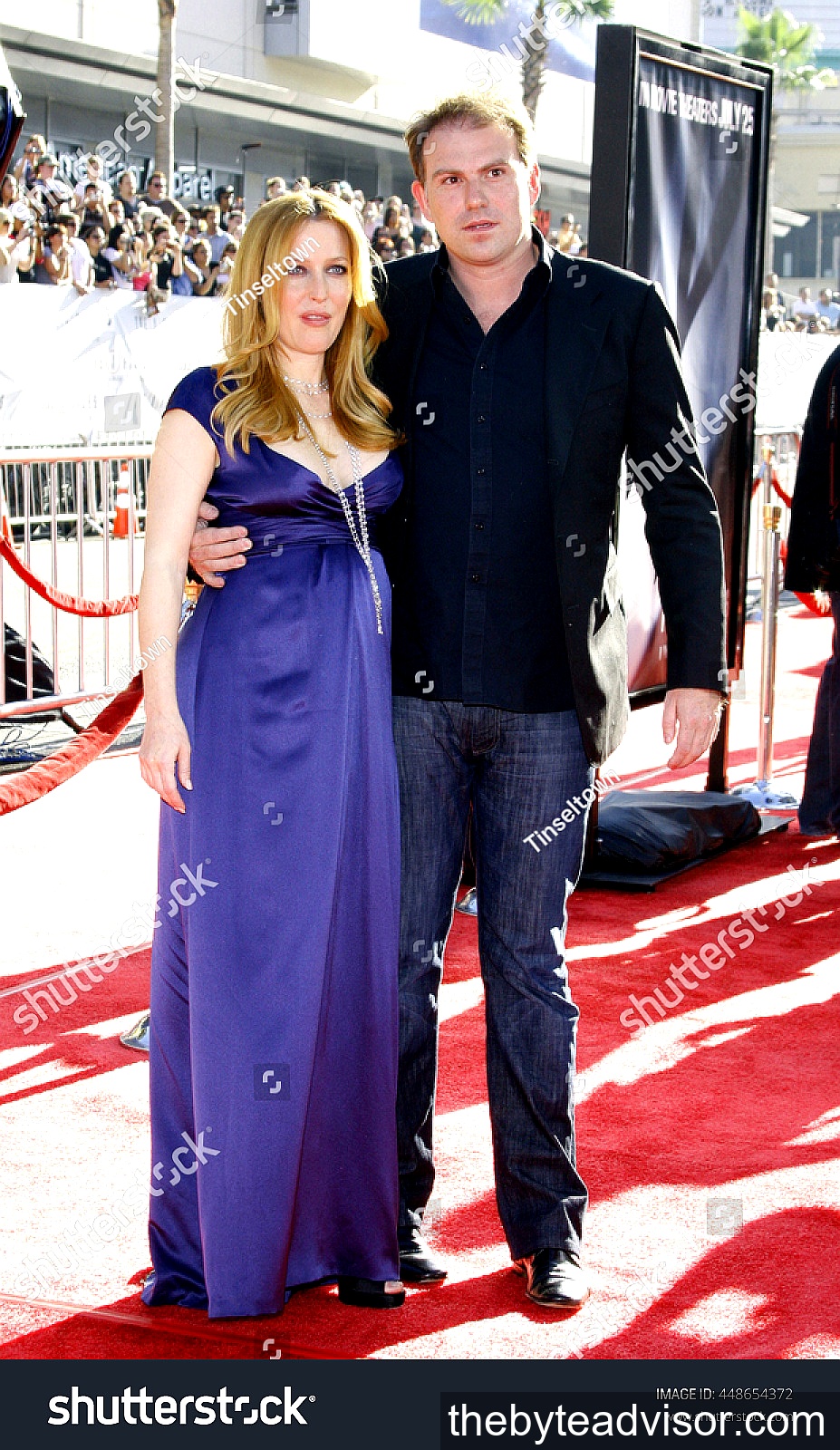
Julian Ozanne is a recognized British filmmaker, former international journalist, and dedicated political activist who gained worldwide attention through his work in documentary production and his high-profile marriage to Golden Globe-winning actress Gillian Anderson. Born in Kenya, Ozanne spent years reporting on crucial geopolitical and economic events across Africa for leading financial news outlets before transitioning into creative documentary filmmaking in the late 1990s and early 2000s.
While mainstream entertainment audiences often recognize him as the ex-husband of The X-Files star, Julian Ozanne built a distinguished career independent of his celebrity connections. His creative achievements include directing acclaimed portraits of literary figures and fashion icons, as well as producing thought-provoking feature films. Furthermore, his lifelong dedication to environmental conservation and anti-corruption campaigning has made him a respected figure in global advocacy circles.
| Information | Details |
|---|---|
| Full Name | Julian Ozanne |
| Year of Birth | 1965 |
| Birthplace | Kenya |
| Nationality | British |
| Education | London School of Economics (LSE) |
| Profession | Documentary Filmmaker, Journalist, Political Activist |
| Famous For | Directing documentaries, work with the Financial Times, marriage to Gillian Anderson |
| Relationship Status | Divorced |
| Ex-Spouse | Gillian Anderson (m. 2004–2007) |
| Known Films / Works | Here to Where (2002), Giorgio Armani: A Man for All Seasons (2000), This Is Not an Exit: The Fictional World of Bret Easton Ellis (1999) |
Who Is Julian Ozanne?
Julian Ozanne is a British-Kenyan documentary director, film producer, former foreign correspondent, and environmental advocate best known for his documentary work and his former marriage to actress Gillian Anderson. Born in 1965, he developed a passion for investigative reporting and social issues early in life, leading him to work as an African correspondent for the Financial Times before moving into film production.
Throughout his career, Ozanne has balanced creative arts with rigorous social commentary. His journalistic background naturally informed his transition to filmmaking, where he tackled complex biographical profiles and narrative documentaries. Despite maintaining a quiet and private personal life, his marriage to Gillian Anderson in 2004 thrust him into the Hollywood spotlight, though he remained firmly grounded in his documentary projects and environmental activism.
Early Life, Background, and Education in Kenya
Julian Ozanne was born in Kenya in 1965, where he spent his formative years immersed in the rich cultural and natural landscape of East Africa. Raised primarily by his mother, Patricia Ozanne, Julian grew up with a deep appreciation for nature, wildlife preservation, and regional African politics. Growing up in Kenya during a period of significant post-colonial transition heavily shaped his worldview and influenced his later work as an international news reporter and activist.
For his higher education, Ozanne moved to the United Kingdom to attend the prestigious London School of Economics and Political Science (LSE). At LSE, he studied political science and international relations, acquiring the analytical tools that would serve as the bedrock of his career in foreign journalism. During his time in Britain, he engaged closely with the country’s vibrant intellectual and artistic communities. Much like prominent British creators and designers such as Julian Bannerman, who dedicated their talents to preserving historic landscapes, Ozanne developed a profound interest in storytelling that bridged culture, history, and human identity.
Journalism Career: Reporting from Africa
Before entering the film industry, Julian Ozanne established himself as a highly respected foreign correspondent. Armed with a deep understanding of East African affairs and economic policy, he was hired by the Financial Times, one of the world’s leading financial newspapers, to cover major developments across the African continent during the late 1980s and 1990s.
During his tenure as a foreign reporter, Ozanne covered complex socio-political crises, regional conflicts, economic reforms, and trade issues across various African nations. His reporting was recognized for its clarity, nuance, and unwillingness to rely on simplistic Western narratives. His background in international politics allowed him to analyze governmental corruption and resource distribution critically—skills that would later become central to his documentary filmmaking and non-governmental organization (NGO) activism.
Transition to Film: Directed and Produced Works
In the late 1990s, Julian Ozanne transitioned from traditional print journalism to visual storytelling. Recognizing that documentary film provided a powerful medium for exploring nuanced human stories, he began writing, directing, and producing non-fiction television specials and feature-length films.
Key Filmography Highlights
- This Is Not an Exit: The Fictional World of Bret Easton Ellis (1999): Ozanne directed this acclaimed documentary exploring the controversial life and creative mind of American author Bret Easton Ellis, creator of American Psycho. The film combined dramatized sequences with candid interviews to dissect the line between satellite fiction and modern celebrity reality.
- Giorgio Armani: A Man for All Seasons (2000): Serving as writer and director, Ozanne provided an intimate, behind-the-scenes look at the life and business empire of legendary Italian fashion designer Giorgio Armani. The documentary earned praise for its insightful exploration of high fashion, corporate independence, and creative control.
- Here to Where (2002): Ozanne produced this creative mockumentary/drama hybrid directed by French filmmaker François Harvey. The movie tells the humorous yet poignant story of a filmmaker attempting to make a movie about Mehran Karimi Nasseri, the Iranian refugee who lived inside Paris’s Charles de Gaulle Airport for years (a story that famously inspired Steven Spielberg’s The Terminal).
Activism and Non-Governmental Work
Parallel to his creative efforts, Julian Ozanne has maintained a long-standing commitment to political reform, human rights, and environmental advocacy. His experience reporting on institutional corruption in developing nations inspired him to actively support organizations working toward transparency and justice.
Ozanne spent several years working with global non-governmental organizations, most notably Global Witness—an international advocacy body dedicated to breaking the links between natural resource exploitation, corruption, conflict, and human rights abuses. He was actively involved in campaigns aimed at curbing the illegal timber trade, blood diamonds, and official corruption in African politics. In Kenya, he has also backed wildlife conservation initiatives aimed at protecting native ecosystems from illegal development and poaching.
Relationship with Gillian Anderson: Marriage, Wedding, and Separation
Julian Ozanne’s relationship with award-winning American-British actress Gillian Anderson remains one of the most publicly documented aspects of his life. The couple met in London in the early 2000s through mutual social circles. At the time, Anderson was famous worldwide for her iconic role as FBI Special Agent Dana Scully on The X-Files, while Ozanne was actively directing documentaries and participating in humanitarian projects.
The Kenya Wedding
After dating for over two years, Julian Ozanne and Gillian Anderson were married on December 29, 2004. Choosing to avoid a media-driven Hollywood wedding, the couple opted for an intimate, romantic ceremony on the remote island of Lamu, off the coast of Kenya. The location held deep personal significance for Ozanne due to his childhood roots in the country.
The private ceremony was attended by close family and friends, including Anderson’s daughter, Piper Maru, from her previous marriage to production designer Clyde Klotz. The wedding featured traditional Swahili elements, reflecting the local culture and the secluded atmosphere of Lamu.
Separation and Divorce
Despite their shared creative interests and strong mutual support, the marriage faced challenges due to demanding work schedules and the high visibility surrounding Anderson’s acting career. In April 2006, after 16 months of marriage, the couple announced their decision to separate cleanly and amicably.
Their divorce was officially finalized in 2007. Both parties maintained respect for one another following the separation, refraining from public mudslinging or tabloid gossip. In subsequent interviews, Anderson spoke warmly of Ozanne, describing him as a talented, charismatic, and thoughtful individual, while acknowledging that their long-term life trajectories differed.
Comparing Media & Creative Profiles
In the world of entertainment and media production, many talented individuals work largely behind the scenes, creating compelling stories while balancing high-profile personal relationships. Just as entertainment professionals like Fielder Jewett have built careers navigating production and creative management alongside notable partners, Julian Ozanne managed to maintain a respected, independent professional identity as a director and journalist despite the overwhelming public focus on his celebrity marriage.
Rather than leveraging his marriage for personal Hollywood fame, Ozanne remained focused on international journalism, documentary ethics, and grassroots political advocacy—a testament to his personal priorities and professional integrity.
What Is Julian Ozanne’s Net Worth?
Julian Ozanne’s exact net worth has not been publicly confirmed by official financial audits. However, media industry estimates place his net worth between $1 million and $3 million. His wealth has been accumulated primarily through his career as an international foreign correspondent for the Financial Times, director fees for television documentaries, movie production credits, and non-profit consulting roles.
Unlike studio film directors or mainstream television actors who earn huge upfront Hollywood salaries, Ozanne’s work in documentary journalism and political advocacy is driven by ideological interest and critical impact rather than commercial blockbusters. Consequently, his financial standing reflects a stable, multi-decade career across journalism, film, and non-profit media management.
Where Is Julian Ozanne Now?
Today, Julian Ozanne lives a quiet and deliberate life away from tabloid attention. Having stepped back from directing major commercial documentaries, he continues to focus on private consulting, geopolitical analysis, and environmental activism, particularly in East Africa and the United Kingdom.
Ozanne splits time between Europe and Africa, remaining deeply engaged in social justice causes, wildlife preservation, and sustainable community development projects in Kenya. He rarely gives media interviews about his past marriage, choosing instead to let his documentary achievements and humanitarian contributions speak for themselves.
Frequently Asked Questions (FAQs)
Who is Julian Ozanne?
Julian Ozanne is a British-Kenyan documentary director, producer, former Financial Times journalist, and political activist. He is widely recognized for his documentaries on figures like Bret Easton Ellis and Giorgio Armani, as well as his past marriage to actress Gillian Anderson.
How old is Julian Ozanne?
Julian Ozanne was born in 1965 in Kenya. As of 2026, he is approximately 61 years old.
What is Julian Ozanne’s nationality?
Julian Ozanne holds British nationality. He was born and raised in Kenya and later educated in London, giving him strong cultural ties to both East Africa and the United Kingdom.
When was Julian Ozanne married to Gillian Anderson?
Julian Ozanne married actress Gillian Anderson on December 29, 2004, in a private ceremony in Kenya. The couple announced their separation in April 2006, and their divorce was finalized in 2007.
Does Julian Ozanne have children?
Julian Ozanne does not have any children with Gillian Anderson. During their marriage, he served as a stepfather to Anderson’s daughter, Piper Maru Klotz.
What movies or documentaries did Julian Ozanne direct?
Julian Ozanne directed notable documentaries including This Is Not an Exit: The Fictional World of Bret Easton Ellis (1999) and Giorgio Armani: A Man for All Seasons (2000). He also produced the 2002 film Here to Where.
What is Julian Ozanne’s educational background?
Julian Ozanne attended the prestigious London School of Economics and Political Science (LSE), where he studied international relations and political science before launching his foreign journalism career.
What is Julian Ozanne’s net worth?
Julian Ozanne’s exact net worth is not publicly confirmed, but industry estimates place it between $1 million and $3 million based on his multi-decade work in journalism, film production, and NGO activism.
Conclusion
Julian Ozanne is a multifaceted professional whose life journey spans print journalism, documentary filmmaking, and global social activism. From reporting on socio-economic developments in East Africa for the Financial Times to capturing the creative essences of Bret Easton Ellis and Giorgio Armani on film, Ozanne has consistently focused on storytelling with depth and substance.
Though his high-profile marriage to Gillian Anderson brought him into the global spotlight, Julian Ozanne has consistently defined himself through his intellect, integrity, and dedication to meaningful causes. Today, his work in environmental advocacy and human rights continues to make an impact, cementing his legacy as a filmmaker and activist of enduring principle.