


The Magic of Peruvian Alfajores: What Makes Them Special?
The South American pastry landscape is rich with tradition, but few desserts capture the delicate elegance of South American confectionery quite like the traditional Peruvian alfajor. Unlike dense or chocolate-drenched varieties found elsewhere across the continent, Peru’s version is celebrated for its ethereal, melt-in-your-mouth shortbread texture and smooth, luscious filling known as manjar blanco. If you are currently searching for the best alfajores peruanos near me, you are about to embark on a delightful culinary journey into one of Peru’s most beloved sweet treasures. Rooted in Moorish culinary history brought to the Americas by Spanish colonizers, the alfajor evolved in the coastal cities and Andean valleys of Peru into a unique masterpiece. Local bakers adjusted classic recipes, introducing high proportions of cornstarch alongside fine flour to achieve a feather-light biscuit that crumbles gracefully with the gentlest bite.
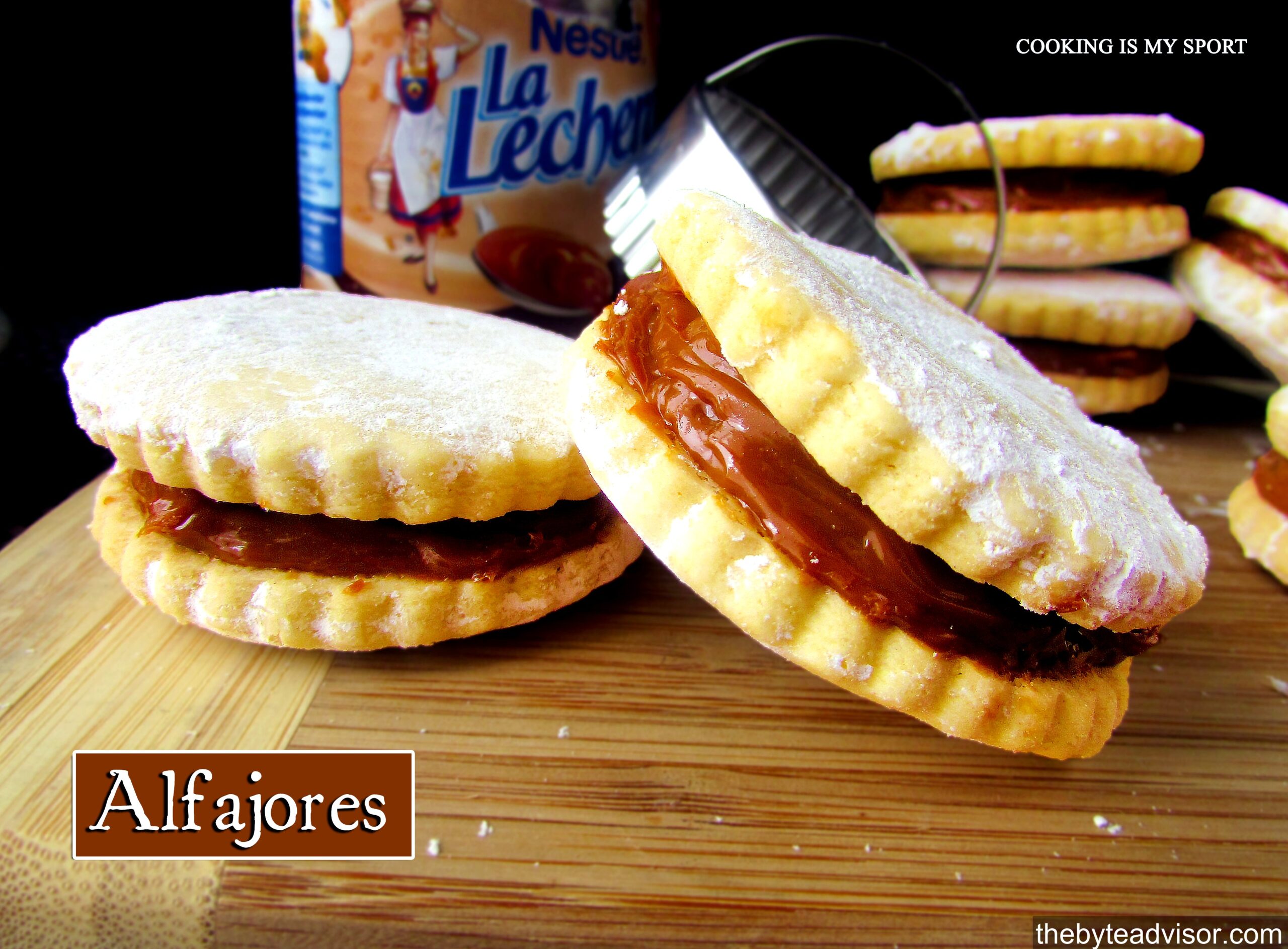
What makes these treats so extraordinarily irresistible is the precise balance between the delicate biscuits and the sweet caramel-like filling held inside. The traditional dough relies heavily on butter, powdered sugar, cornstarch, and fine wheat flour, mixed minimally to avoid gluten development. Once baked to a pale, delicate finish without tanning, two tender discs are sandwiched around a generous portion of manjar blanco—a Peruvian style of dulce de leche made by slowly simmering milk and sugar until it reaches a thick, golden creaminess. Finally, the entire sandwich is dusted with a snowy blanket of confectioners’ sugar. The resulting contrast between the buttery, crumbly exterior and the velvety sweet center creates an unforgettable taste experience that drives dessert enthusiasts to locate authentic local bakers.
Finding these authentic gems outside of Peru used to be a challenge, but growing culinary interest in Peruvian gastronomy has made them more accessible across specialty bakeries and online marketplaces. Today, enthusiasts can easily order pre-baked shells or imported kits, including ready-to-fill baked Peruvian alfajores and imported cookie bases that allow home bakers to enjoy authentic flavors without making dough from scratch. Whether you buy them fresh from an artisanal Latin bakery down the street or source them through specialized importers, authentic Peruvian alfajores remain the gold standard for lovers of tender, powdery, sweet confections. Understanding what distinguishes these treats from other regional variations helps ensure you get the most authentic culinary experience available.
Peruvian vs. Argentine Alfajores: Understanding the Flavor Profiles
While alfajores are enjoyed across South America, understanding the clear distinction between regional styles is essential when hunting down the best alfajores peruanos near me. In countries like Argentina or Uruguay, alfajores are typically larger, denser, and frequently coated in dark chocolate, white chocolate, or rolled in toasted coconut around the edges. In contrast, the Peruvian style places supreme emphasis on fragility and lightness. Peruvian alfajores are almost universally uncoated by heavy chocolate, allowing the natural buttery flavor of the biscuit and the rich, pure sweetness of manjar blanco to shine through without distraction. The dusted powdered sugar on top isn’t just a decorative garnish; it adds an immediate touch of sweetness the second the pastry touches your lips.
Another critical distinction lies in the preparation of the filling itself. While Argentine dulce de leche often features a deep mahogany color with subtle hints of vanilla or baking soda, Peruvian manjar blanco is traditionally lighter, smoother, and characterized by a pure milk-and-sugar profile. Simmered painstakingly over low heat for hours, high-quality manjar blanco achieves a silky density that holds the light cookie discs together without overwhelming them. In Peruvian households and high-end Lima bakeries like La Casa del Alfajor, master bakers carefully control temperature to prevent crystallization, yielding a filling that is lush, creamy, and wonderfully luxurious. This painstaking commitment to quality is what makes traditional Peruvian bakeries stand out globally.
The culture surrounding these cookies in Peru is deeply personal and tied to celebration. From wedding dessert tables and birthday parties to casual afternoon tea time (known locally as lonche), alfajores are ubiquitous across Peruvian society. Children grow up enjoying bite-sized mini alfajores packed in school lunchboxes, while adults pair full-sized treats with rich espresso or herbal teas. When you seek out local bakeries making these delicacies in your city, you are not merely purchasing a cookie; you are partaking in a centuries-old tradition of Peruvian hospitality and craftsmanship. Recognizing these subtle nuances helps discerning food lovers separate mass-produced imitations from authentic, handcrafted masterpieces.
How to Find the Best Alfajores Peruanos Near Me in Your City
Tracking down exceptional local bakeries requires knowing where to look and what specific details to ask for. To find the best alfajores peruanos near me, your best strategy is to begin by exploring authentic Peruvian restaurants, Latin American bakeries (panaderías), and specialty international markets in your metropolitan area. Many authentic Peruvian eateries do not advertise their bakery items heavily online, yet they feature a glass display case near the register filled with daily fresh-baked alfajores, piononos, and empanadas. Calling ahead or stopping by during early morning hours often yields the freshest batches, straight from the oven before they sell out for the day.
When visiting a local bakery or market, don’t hesitate to engage with the bakers and ask about their preparation methods. Authentic establishments will take pride in telling you whether their manjar blanco is cooked in-house from scratch and whether their cookies are baked daily. True Peruvian-style alfajores should feel fragile to the touch and appear pale rather than golden-brown. If the cookie looks overly thick, dark, or hard like a standard shortbread biscuit, it may not deliver that iconic melt-in-your-mouth experience. Asking local community groups, Latin food forums, or social media foodies in your area can also reveal hidden home-bakers and pop-up artisan kitchens specializing in traditional Peruvian pastries.
If your immediate area lacks dedicated Latin bakeries, modern delivery services and artisanal food platforms offer viable alternatives. Many Peruvian pastry chefs operate small-batch mail-order businesses, shipping freshly baked, carefully packaged alfajores directly to your doorstep. These artisan bakers take special care in wrapping each individual cookie or packing them tightly in custom tins to prevent the delicate shortbread from crumbling during transit. Utilizing local pickup apps or specialty food delivery services can connect you directly with independent bakers who are preserving authentic recipes right in your regional community, ensuring you never have to compromise on freshness or quality.
What to Look For in an Authentic Peruvian Alfajor
Evaluating the quality of an alfajor comes down to three crucial factors: texture, filling consistency, and balance. A prime indicator of a superior Peruvian alfajor is how the cookie disc responds to your first bite. It should offer minimal resistance, crumbling instantly into a velvety, powdery texture without sticking heavily to your teeth. This delicate structure comes from using a generous ratio of cornstarch to flour and chilling the dough thoroughly before baking. If the cookie feels crunchy, dense, or dry, the dough was likely overworked or baked at too high a temperature, resulting in excessive gluten formation and loss of delicacy.
The manjar blanco filling is equally important in determining overall quality. It should be thick enough to hold the two cookie layers securely together without leaking out the sides, yet soft enough to yield cleanly when bitten. High-quality manjar blanco possesses a warm golden hue and a smooth, lump-free texture. Cheap substitutes like overly processed commercial caramel or dark, rubbery caramel spreads will ruin the subtle flavor harmony. An authentic baker understands that the filling should be rich and sweet, but not cloying, balancing the un-sweetened, buttery crumble of the tender cookie base.
Visual presentation also speaks volumes about the baker’s skill and attention to detail. A properly made Peruvian alfajor features evenly sized, perfectly flat discs with smooth edges and an even layer of manjar blanco sandwiched cleanly between them. A delicate dusting of fine confectioners’ sugar should cover the top evenly, giving the pastry its characteristic snowy finish without clumping. When you evaluate these visual and tactile elements, you will quickly learn to distinguish average commercial treats from truly exceptional artisan baked goods crafted by experienced Peruvian pastry chefs.
Pairing Your Alfajores with Authentic Latin Flavors
Enjoying Peruvian alfajores is an experience best enhanced by pairing them with complementary beverages that balance their sweet, rich profile. In Peru, the traditional afternoon tea hour, or lonche, is the ultimate occasion for serving these delicate sweets. A fresh, dark roast Peruvian coffee—known for its subtle chocolatey notes and balanced acidity—cuts through the richness of the manjar blanco perfectly. Alternatively, an espresso or a velvety café con leche provides a creamy companion that highlights the buttery notes of the shortbread, making every bite feel remarkably decadent and satisfying.
For those who prefer non-coffee pairings, traditional herbal infusions and cold beverages offer wonderful alternatives. A hot cup of chamomile, lemon verbena (luisa), or coca tea provides a soothing, aromatic backdrop that allows the delicate vanilla and caramel notes of the alfajor to take center stage. During warmer months, pairing fresh alfajores with chilled chicha morada—Peru’s iconic spiced purple corn beverage—creates an exciting interplay of sweet, fruit-accented spices and buttery caramel. If you enjoy exploring Latin culinary traditions, you might also enjoy pairing your sweet treats alongside savory Latin holiday treats like pan de jamon during festive family gatherings and seasonal celebrations.
Serving these treats at social gatherings or holiday parties adds an elegant touch that guests will remember. Mini alfajores, often called alfajorcitos, make fantastic bite-sized desserts for cocktail parties, wedding receptions, and holiday dessert tables. Their beautiful powdered-sugar finish looks stunning arranged on tiered serving platters alongside other Latin sweet treats. If you are hosting a gathering and managed to find the best alfajores peruanos near me, ordering them in bulk or arranging them carefully in gift boxes makes for a thoughtful, sophisticated party favor or host gift that showcases fine Latin American culinary artistry.
Making vs. Buying: Can You Recreate the Experience at Home?
For passionate food lovers, deciding whether to purchase freshly made alfajores from a local bakery or attempt making them at home is a fun dilemma. While buying from skilled local artisans guarantees authentic texture and saves hours of painstaking work, baking them at home can be a deeply rewarding project. The key challenge home bakers face is mastering the fragile dough, which requires gentle handling, precise measuring, and patience. For those who want a shortcut, imported cookie shell kits offer a perfect middle ground, allowing you to focus simply on filling and dusting pre-baked, authentic Peruvian biscuits in your own kitchen.
If you choose to bake from scratch, following traditional Peruvian techniques is vital for success. Always sift your dry ingredients—especially the cornstarch and confectioners’ sugar—multiple times to ensure a light, airy crumb. Keep your butter cold and avoid over-kneading the dough; work it just enough to bring it together into a smooth disk, then chill it thoroughly in the refrigerator before rolling. When rolling out the dough, keep it relatively thin (about 1/8 to 1/4 inch thick) and bake at a low temperature just until set. The cookies should remain pale white or light ivory on top, as any browning will alter their characteristic tender texture.
Ultimately, whether you decide to spend a cozy afternoon baking in your kitchen or set out to explore local Latin markets, indulging in these tender confections is an absolute joy. Armed with an understanding of traditional ingredients, key quality indicators, and ideal flavor pairings, you are fully equipped to discover, evaluate, and savor these incredible desserts. Keep exploring your local food scene, supporting neighborhood artisan bakers, and enjoying the best alfajores peruanos near me whenever your sweet tooth demands a taste of authentic Peruvian magic.