


Understanding Bolivian Humintas: Flavor, Tradition, and Culture
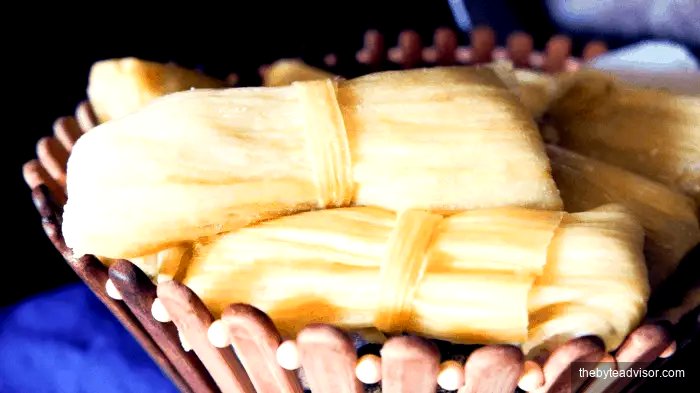
If you are a fan of authentic Latin American cuisine, discovering fresh, warm corn treats is one of the most satisfying culinary adventures you can undertake. When searching for the best humintas near me, you are diving into a rich culinary heritage rooted deeply in the Andes, particularly in Bolivia. Humintas are traditional corn cakes made from freshly ground young corn mixed with aromatic spices, melted butter, and melted local cheeses, all wrapped tightly inside natural corn husks. Unlike standard corn tortillas or basic cornbread, a true huminta offers a delicate balance between naturally sweet corn flavors and savory cheese centers, creating a fragrant texture that melts in your mouth.
Historically, indigenous communities across South America relied on fresh corn harvest seasons to create these delicious wrapped bundles. In Bolivia, humintas are deeply tied to family gatherings, afternoon tea rituals known as lonche, and festive cold-weather celebrations. Depending on the cook’s heritage and regional traditions, these treats can be either steamed gently in a large pot or baked in an oven until the husks turn golden brown and caramelized. Understanding the distinction between these cooking styles will help you narrow down your search when evaluating local Andean eateries, Latin bakeries, or specialized food trucks in your local area.
While many regional variations exist throughout South America—including Ecuadorian humitas and northern Argentinian styles—the Bolivian huminta stands out for its distinct addition of anise seeds and rich local cheese filling. If you want to explore related regional corn husked dishes from neighboring countries, you can check out these authentic humita en chala options to see how different South American cultures prepare their fresh corn meals. Recognizing these traditional elements ensures that when you order, you receive a truly genuine culinary experience rather than a generic imitation.
Key Differences Between Humintas, Humitas, and Tamales
To the untrained palate, humintas, humitas, and tamales might appear almost identical because they are all wrapped in corn husks or banana leaves. However, key structural and ingredient differences set them apart dramatically. Tamales generally feature a firm dough made from nixtamalized corn flour (maseca), which is stuffed with savory meats like shredded pork, chicken, or chili sauces before being wrapped and steamed. In stark contrast, authentic humintas use fresh, sweet tender corn kernels (known as choclo) ground down into a smooth, thick batter, rarely containing any meat fillings whatsoever.
The texture of a huminta is much softer, moister, and more pudding-like than a standard savory tamale. When hunting for the best humintas near me, it is vital to check the ingredient profile of the establishment you plan to visit. Humintas emphasize the natural sweetness of fresh Andean corn, enhanced by subtle notes of anise, sugar, cinnamon, and generous slabs of salty queso fresco or queso criollo tucked right into the center of the batter before cooking.
Furthermore, linguistic nuances often vary by region. In Bolivia, the plural form is almost universally spelled and pronounced as humintas, whereas in Peru, Ecuador, Chile, and Argentina, the dish is referred to as humitas. Knowing this terminology helps you search local menus more effectively, ensuring you find the exact style of sweet corn pastry you are craving without getting confused by savory meat tamales.
How to Find the Best Humintas Near Me Using Smart Search Strategies
Locating freshly made Andean specialties in your immediate neighborhood requires a bit more strategy than finding a standard taco stand. Start by opening your favorite map application and typing in specific search queries like best humintas near me, “Bolivian bakery,” or “Andean restaurant.” Because many authentic family-owned kitchens do not run large-scale marketing campaigns, they often rely on word-of-mouth and localized Google Business listings. Pay close attention to customer reviews that mention daily kitchen specials or morning pastry runs.
Another powerful tactic is exploring localized social media platforms such as TikTok, Instagram, and local Latin American community Facebook groups. Small-batch bakers and authentic caterers frequently post daily videos showcasing fresh batches of humintas coming straight out of the oven or steamer. Searching for local hashtags combining your city name with Bolivian food or South American pastries can instantly point you toward hidden gems, pop-up kitchens, and weekend farmers’ market vendors that might not appear on mainstream review directories.
Before heading out the door, it is always wise to call the establishment directly. Authentic humintas are often prepared early in the morning and can sell out before midday, especially on weekends. Calling ahead allows you to confirm whether they have fresh humintas available today, whether they serve them baked or steamed, and if you need to place a advance order for larger quantities to take home to your family.
Baked vs. Steamed Humintas: Which Style Should You Try First?
When you visit a local Bolivian establishment, you will likely be offered two main varieties: humintas a la olla (steamed in a pot) and humintas al horno (baked in the oven). Both styles share similar core ingredients—sweet ground corn, butter, anise, and cheese—but the cooking method completely transforms the final texture and taste profile. Steamed humintas are cooked gently over simmering water inside a tightly covered pot lined with corn husks, resulting in a light, moist, and cloud-like corn cake.
On the other hand, baked humintas are cooked at higher temperatures in an oven, allowing the outer corn husk to char slightly while the internal corn batter develops caramelized edges and a deeper, roasted flavor profile. If you prefer a richer texture with crispy outer bites and a gooey, molten cheese center, baked humintas are an absolute must-try. Searching for the best humintas near me will often lead you to bakeries that specialize in one or both of these distinct, mouthwatering techniques.
To enjoy either style like a true local, pair your warm huminta with a hot cup of coffee or traditional Bolivian sultana tea (a spiced brew made from dried coffee cherry husks, cinnamon, and cloves). The aromatic warmth of sultana tea perfectly cuts through the rich, buttery sweetness of the corn cake, creating a comforting snack ideal for cool mornings or afternoon gatherings.
Evaluating Quality: What Makes an Authentic, Top-Tier Huminta?
Not all humintas are created equal, and knowing how to evaluate quality will help you separate mediocre offerings from truly spectacular Andean cooking. The first sign of a top-tier huminta is the freshness of the corn. Authentic recipes rely on fresh, starchy white Andean choclo corn rather than sweet canned yellow corn, which can make the batter overly watery. The texture should feel rich, slightly grainy yet soft, holding its shape naturally within the rustic green or golden corn husk fold.
The cheese quality is another defining factor. A great huminta requires a hearty chunk of fresh, mild, salty cheese placed directly in the middle. As the huminta steams or bakes, this cheese softens without completely evaporating into the batter, delivering a wonderful salty contrast to the sweet corn dough in every single bite. If the huminta lacks cheese or tastes overwhelmingly sugary like a packaged dessert muffin, it has likely strayed from traditional preparation methods.
Additionally, pay attention to the aromatic profile. A subtle hint of anise seed should be present, offering a warm, herbaceous back-note that elevates the natural corn flavor. If you enjoy exploring authentic South American baked goods, you can expand your culinary horizon after your meal by tasting delicious traditional Peruvian alfajores, which offer a sweet dulce de leche experience that complements Andean dining perfectly. Taking time to locate the best humintas near me ensures you experience these subtle flavor harmonies firsthand.
Savoring the Experience: How to Store, Reheat, and Serve Humintas at Home
Once you locate a fantastic local spot and bring home a dozen freshly prepared humintas, knowing how to properly store and reheat them is essential for preserving their original texture. Freshly cooked humintas will stay fresh in your refrigerator for up to three or four days when stored inside an airtight container. Because the natural starches in sweet corn firm up when chilled, reheating them correctly brings back their soft, irresistible fluffiness.
To reheat steamed humintas, gently place them back in a steaming basket over simmering water for approximately 8 to 10 minutes until the corn husk becomes soft and fragrant again. Alternatively, you can wrap a huminta in a damp paper towel and microwave it on medium power for 60 to 90 seconds. If you have baked humintas, heating them in a toaster oven or conventional oven at 350°F (175°C) for 10 minutes restores their delightful crispy edges without drying out the cheesy interior.
Ultimately, taking the time to hunt down the best humintas near me opens the door to an incredible culinary tradition that brings comforting Andean flavors straight to your table. Whether enjoyed fresh out of a local bakery’s oven or reheated for a cozy weekend breakfast at home, authentic Bolivian humintas offer a unique, satisfying blend of sweet corn and melted savory cheese that will keep you coming back for more.