


Understanding Certificates of Deposit in Today’s Economic Landscape
In an unpredictable economic climate, finding safe and profitable avenues to grow your cash reserves is paramount for both short-term financial stability and long-term wealth building. A Certificate of Deposit (CD) remains one of the most reliable savings vehicles available, providing guaranteed returns backed by federal insurance. When you lock your money into a CD, you agree to leave a specific principal balance untouched for a predetermined period, ranging anywhere from a few months to several years. In exchange for this commitment, financial institutions offer fixed annual percentage yields (APY) that typically far exceed traditional savings account returns. Savers hunting for the best cd rates near me often discover that knowing where and how to look can unlock exceptional interest rates that protect their capital against inflationary pressures.
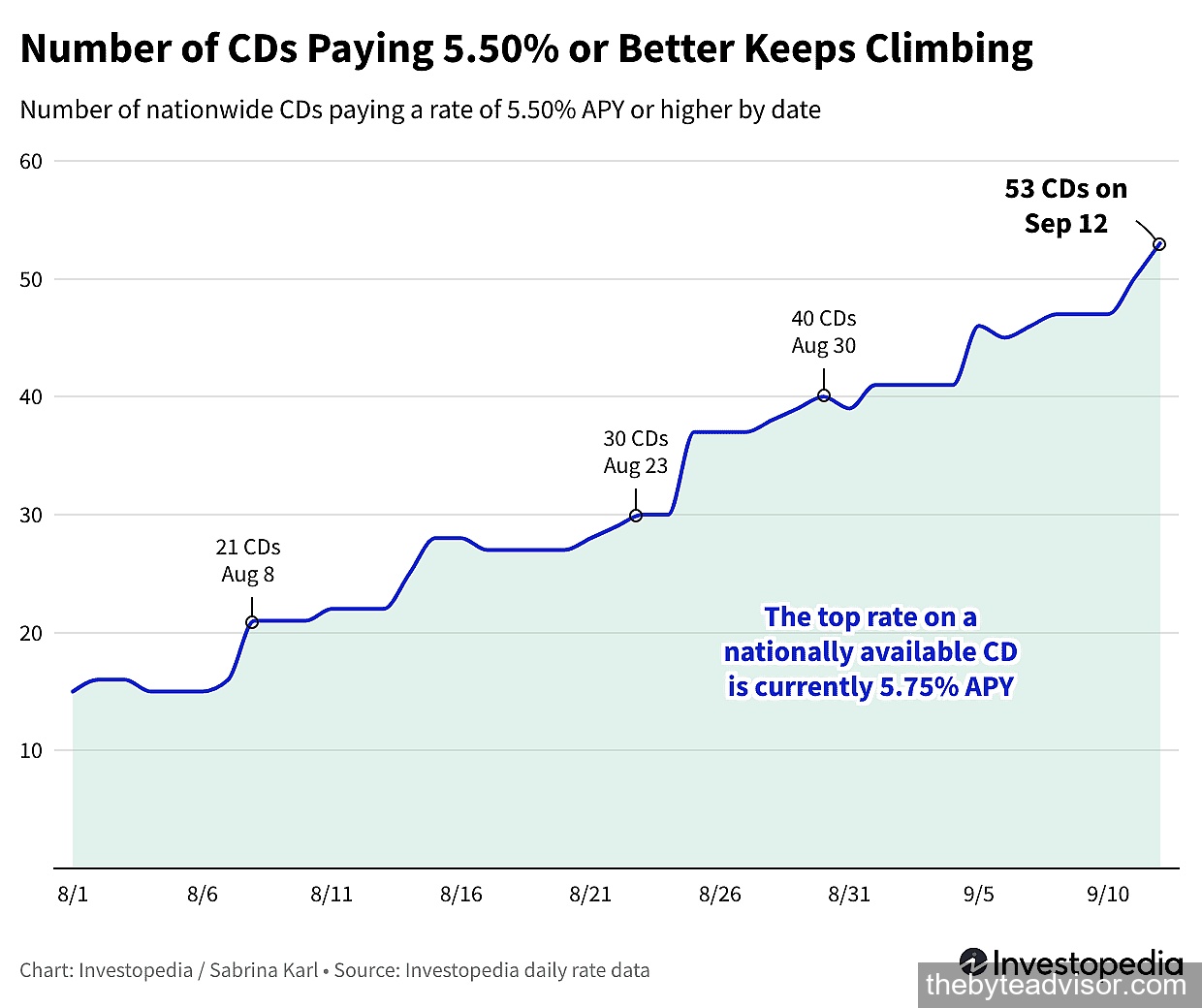
The contemporary banking landscape has experienced remarkable shifts in interest rate policies, driving annual percentage yields on savings products to competitive modern highs. Savers exploring top yield certificates of deposit can currently secure returns near or exceeding 5% to 5.75% on select terms, depending on the financial institution and promotional conditions. Because CD rates are fixed upon account opening, locking in a high rate today insulates your money from potential future rate cuts by the Federal Reserve. Unlike stock market investments, which carry market risk and daily volatility, a fixed-rate CD guarantees that your yield will remain entirely intact throughout the agreed-upon duration, offering peace of mind to conservative investors and retirees alike.
Furthermore, safety is a foundational benefit of choosing a certificate of deposit. Accounts opened at participating institutions are insured up to $250,000 per depositor, per ownership category, by either the Federal Deposit Insurance Corporation (FDIC) for banks or the National Credit Union Administration (NCUA) for credit unions. This federal backing ensures that even in extreme economic downturns, your initial principal and accrued interest remain completely secure. Consequently, actively seeking out the best cd rates near me is not merely about pursuing passive yield; it is about establishing a secure, risk-free anchor within your overall asset allocation model.
Comparing Local Brick-and-Mortar Banks versus Online Financial Institutions
When searching for top-tier interest rates, consumers often face a classic dilemma: choosing between physical neighborhood branches and online-only financial institutions. Local brick-and-mortar banks provide familiar face-to-face customer service, physical teller windows, and community roots. However, maintaining physical real estate, teller staff, and overhead infrastructure requires substantial operational expenditure. As a result, major traditional national banks frequently offer modest baseline APYs on their standard CD products, reserving their highest yield offerings for special promotional tiers or customer relationship packages.
On the flip side, online-only banks operate without the massive overhead expenses associated with physical branch networks. They pass these operational cost savings directly on to consumers in the form of elevated interest rates, lower minimum balance requirements, and flexible account terms. However, local credit unions and community banks often bridge this gap by rolling out hyper-competitive regional promotions to attract local deposits. Consumers who systematically evaluate the best cd rates near me frequently find that community credit unions can rival or even surpass national online averages through localized promotional specials designed specifically for regional residents.
Ultimately, deciding between local physical branches and digital platforms comes down to personal convenience and financial priority. If you value in-person consultations, localized customer support, or existing relationship banking perks, exploring nearby credit unions and regional banks is an ideal starting point. Conversely, if your priority is squeezing every fraction of a percentage point out of your cash reserves, expanding your search to include nationwide online institutions alongside your local options ensures you capture the most lucrative financial yields available on the market today.
Key Factors to Evaluate When Searching for the Best CD Rates Near Me
Uncovering the most advantageous deposit accounts requires looking beyond simple headline APY figures. While a high annual percentage yield is undeniably attractive, the true value of a CD lies in its terms, minimum deposit thresholds, and compounding frequency. For instance, an account offering a slightly lower interest rate that compounds daily can sometimes yield more total cash over a multi-year duration than a higher nominal rate that compounds annually. To effectively evaluate options for the best cd rates near me, smart savers carefully calculate the exact yield schedule and review the fine print before depositing their hard-earned capital.
Account maturity terms represent another essential variable in your financial decision-making process. CD maturities generally range from short-term durations (such as 3, 6, or 9 months) to long-term commitments (such as 3, 4, or 5 years). Typically, longer terms offer higher APYs to compensate for locking away your liquidity. However, in inverted yield curve environments, short-term CDs may temporarily offer higher rates than five-year accounts. Choosing the correct term length requires balancing your personal cash flow needs against economic forecasts, ensuring you won’t need to withdraw your funds before the certificate matures.
Minimum balance requirements also vary significantly across different financial institutions. Some specialized high-yield certificates demand minimum opening deposits of $10,000 or $25,000 to unlock elite rate tiers, while community credit unions or online banks may offer identical APYs with minimums as low as $500 or even $0. Evaluating these entry barriers alongside early withdrawal penalties ensures that your chosen certificate aligns smoothly with your immediate financial capacity and broader savings strategy without creating unnecessary cash flow constraints.
Strategic Savings Models: How to Build an Effective CD Ladder
One common drawback of locking funds into a long-term certificate of deposit is the loss of immediate liquidity. If interest rates rise after you open a account, or if an unexpected emergency arises, your cash remains locked away unless you pay an early withdrawal penalty. To solve this dilemma, savvy investors use a strategy known as CD laddering. This approach involves dividing your total investment amount into equal portions and placing each portion into certificates with different maturity dates, such as 1-year, 2-year, 3-year, 4-year, and 5-year terms.
As each certificate in your ladder reaches maturity year after year, you gain regular access to a portion of your principal plus interest. You can then choose to spend those funds if cash is needed or reinvest the proceeds into a new long-term certificate at current market rates. By consistently shopping for the best cd rates near me whenever a rung on your ladder matures, you maintain continuous cash liquidity while continuously capturing high fixed yields. This strategy mitigates interest rate risk, allowing you to profit if market rates rise while keeping a portion of your wealth secured against rate declines.
Building a CD ladder also instills disciplined financial planning habits. Instead of making emotional decisions with lump-sum cash holdings, a structured ladder provides predictable, scheduled income events throughout the decade. Whether you are saving for a down payment on a home, preparing for retirement distributions, or establishing a secondary emergency cash reserve, laddering maximizes financial flexibility without sacrificing the lucrative returns associated with long-term fixed deposit accounts.
Fine Print, Early Withdrawal Penalties, and Account Insurance Protections
Before committing your savings to any high-yield account, it is critical to thoroughly read the deposit agreement and understand the penalization structure. If you need to access your money prior to the designated maturity date, financial institutions will charge an early withdrawal penalty. This fee usually equals a specific number of months’ worth of simple interest—for example, 90 days of interest on a 1-year CD or 180 days of interest on a 3-year CD. In extreme cases, if you break a certificate shortly after opening it, the penalty might even eat into your original principal balance.
Just as lifestyle choices require balance—whether taking a relaxing weekend break to enjoy local comfort foods like the best arroz con leche boliviano near me or planning a family vacation—financial planning requires balancing optimal return against potential liquidity risks. If you anticipate needing quick access to emergency funds, considering no-penalty CDs or high-yield savings accounts alongside standard CDs is a prudent alternative. No-penalty certificates allow you to withdraw your full principal and accrued earnings after an initial hold period without incurring financial fees, providing a safety net for unpredictable expenses.
Additionally, always confirm that your chosen institution carries valid federal deposit coverage. Verifying FDIC insurance for banks via their BankFind portal or checking NCUA status for credit unions ensures your capital is completely protected against institutional insolvency. Taking these precautionary steps guarantees that your quest to find the best cd rates near me results in a secure, transparent, and profitable financial arrangement that strengthens your overall balance sheet without exposing you to unneeded hazards.
Step-by-Step Guide to Locking In Your Rate Today
Securing a top-tier deposit rate is a straightforward process when approached with clear research steps. Start by auditing your current liquid assets to determine exactly how much capital you can comfortably lock away without jeopardizing your daily living operational expenses. Next, conduct a comprehensive local and online search, comparing local credit unions, regional banks, and established internet banking platforms. Documenting interest rates, compounding frequencies, maturity dates, and minimum opening balances in a simple comparison table will help you identify the clear market winners.
Once you select an institution offering the best cd rates near me, gather the necessary documentation required for opening an account. You will typically need a government-issued photo ID, your Social Security number or Taxpayer Identification Number, physical address verification, and funding account details (such as routing and checking account numbers). Most applications can be completed online within ten to fifteen minutes, though local credit union branches welcome walk-in applications for personalized, face-to-face account setup.
After your account is successfully opened and funded, set calendar reminders for your CD’s upcoming maturity window. Financial institutions typically offer a grace period—usually 7 to 10 calendar days following maturity—during which you can withdraw your principal and earnings, add additional funds, or roll the balance into a brand-new certificate term. Staying proactive during this grace period prevents your money from automatically rolling over into a low-yielding standard CD, ensuring your savings continuously compound at the highest rates available.