


Introduction
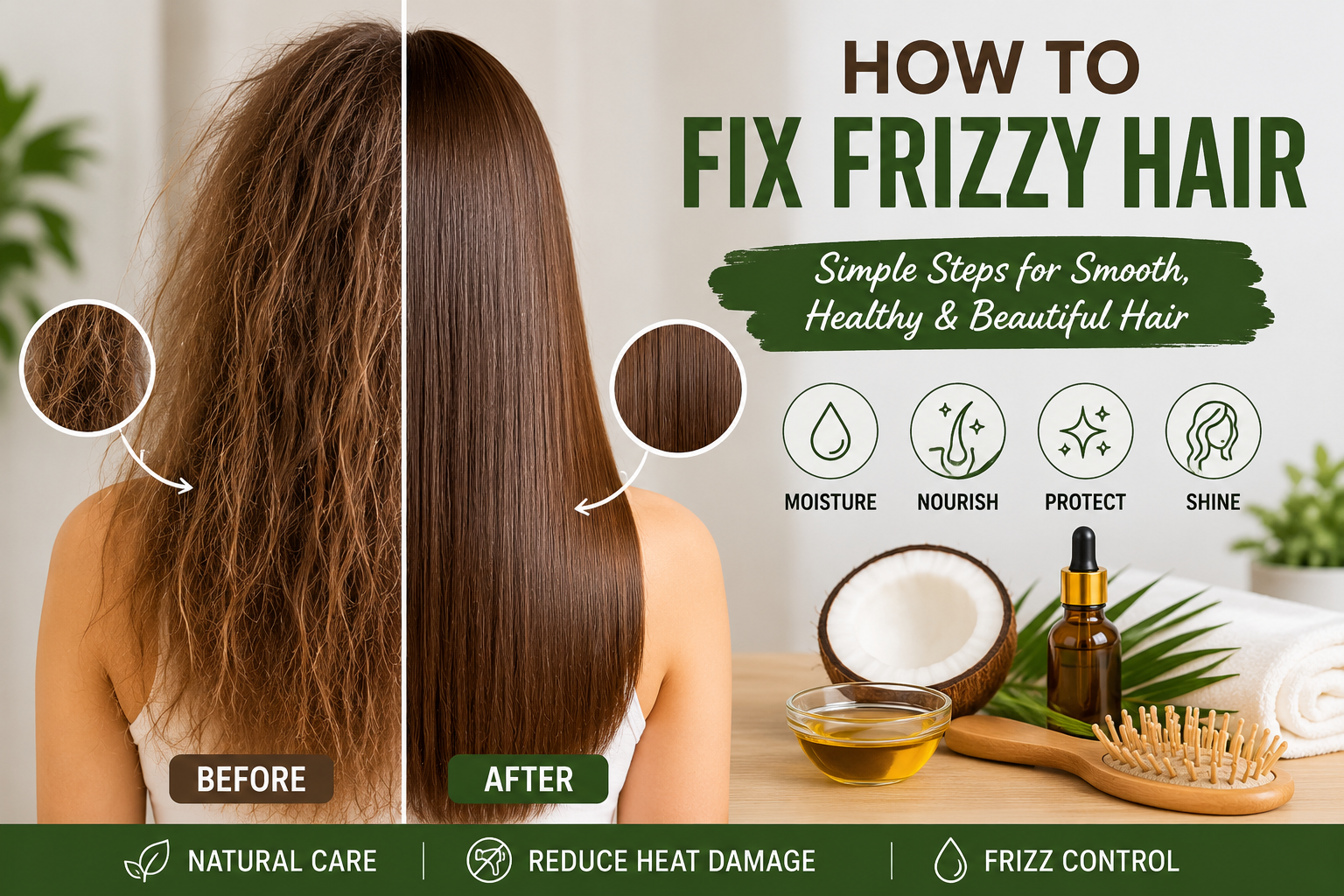
If you constantly struggle with flyaways, rough texture, or hair that seems impossible to control, you’re probably searching for how to fix frizzy hair. Frizz is one of the most common hair concerns, affecting people with straight, wavy, curly, and coily hair alike.
The good news is that frizzy hair can often be improved with the right habits, products, and hair care routine. Understanding how to fix frizzy hair starts with knowing what causes it and what your hair truly needs.
As many hairstylists say, “Healthy hair doesn’t fight you—it works with you.” The goal is not just to hide frizz but to improve the overall condition of your hair.
What Causes Frizzy Hair?
Before learning how to fix frizzy hair, it helps to understand why frizz happens in the first place.
Hair becomes frizzy when the outer layer of the hair strand, known as the cuticle, lifts up instead of lying flat. This allows moisture from the air to enter the hair shaft, causing swelling and an uneven texture.
Common causes include:
- Dry or dehydrated hair
- Excessive heat styling
- Humidity
- Chemical treatments
- Overwashing
- Harsh shampoos
- Lack of moisture
- Rough towel drying
Think of your hair like a sponge. When it’s dry, it absorbs moisture from the environment, which often leads to frizz.
Signs Your Hair Needs Extra Moisture
Many people searching for how to fix frizzy hair are actually dealing with dryness.
Your hair may need more moisture if you notice:
- Rough texture
- Split ends
- Dull appearance
- Excessive tangles
- Increased breakage
- Frizz that gets worse throughout the day
When hair lacks hydration, it struggles to maintain a smooth surface.
Choose a Sulfate-Free Shampoo
One of the easiest ways to learn how to fix frizzy hair is by changing your shampoo.
Many traditional shampoos contain sulfates that remove dirt but can also strip away natural oils. Without those oils, hair becomes dry and more prone to frizz.
Look for shampoos labeled:
- Sulfate-free
- Moisturizing
- Hydrating
- Smoothing
Gentle cleansing helps your hair retain moisture and stay manageable.
Never Skip Conditioner
Conditioner plays a major role in how to fix frizzy hair because it smooths the hair cuticle and locks in hydration.
Apply conditioner mainly to the mid-lengths and ends of your hair. Let it sit for a few minutes before rinsing.
A quality conditioner can:
- Reduce tangles
- Increase softness
- Improve shine
- Control flyaways
- Protect against dryness
Consistent conditioning often produces noticeable results within a few weeks.
Use a Deep Conditioning Mask Weekly
If regular conditioner isn’t enough, a weekly hair mask can make a huge difference.
Deep conditioning treatments provide intense moisture and nourishment that regular conditioners may not deliver.
Ingredients to look for include:
- Argan oil
- Coconut oil
- Shea butter
- Keratin
- Avocado oil
- Jojoba oil
A weekly mask is one of the most effective answers to how to fix frizzy hair naturally.
Stop Washing Your Hair Too Often
Overwashing is a common mistake.
Many people wash their hair daily, which removes natural oils that help keep strands smooth and protected.
Depending on your hair type, washing two to four times per week may be enough.
When learning how to fix frizzy hair, preserving your natural oils is often just as important as adding moisture.
Dry Your Hair the Right Way
The way you dry your hair matters more than most people realize.
Rubbing wet hair aggressively with a regular towel creates friction and roughens the cuticle.
Instead:
- Use a microfiber towel
- Gently squeeze excess water
- Pat hair dry
- Avoid harsh rubbing
This simple change can significantly reduce frizz.
Protect Hair From Heat Damage
Heat styling tools can cause dryness and damage over time.
Frequent use of:
- Flat irons
- Curling irons
- Blow dryers
can weaken the hair structure and increase frizz.
If you use heat styling tools:
- Apply a heat protectant first
- Use lower temperature settings
- Limit daily styling
Remember the saying, “Your hair remembers every degree of heat you put on it.”
Try Leave-In Conditioner
A leave-in conditioner adds an extra layer of moisture and protection throughout the day.
For many people, this is one of the simplest solutions for how to fix frizzy hair.
Benefits include:
- Better hydration
- Easier detangling
- Reduced flyaways
- Improved softness
- Extra shine
Apply a small amount to damp hair after washing.
Use Hair Oils Correctly
Hair oils help seal moisture into the hair shaft.
Popular options include:
- Argan oil
- Coconut oil
- Jojoba oil
- Almond oil
- Marula oil
Use only a small amount on the ends and mid-lengths.
Too much oil can make hair look greasy, but the right amount can dramatically improve frizz control.
Sleep on a Silk or Satin Pillowcase
Your pillowcase may be contributing to your frizz.
Cotton creates friction while you sleep, which can roughen the hair cuticle overnight.
Silk or satin pillowcases help:
- Reduce friction
- Prevent tangles
- Maintain hairstyles
- Minimize moisture loss
This small upgrade can support your efforts to learn how to fix frizzy hair.
Comb Hair Carefully
Brushing hair incorrectly can create unnecessary frizz.
Use:
- Wide-tooth combs
- Detangling brushes
- Gentle strokes
Start from the ends and gradually work upward.
Pulling aggressively through knots can cause breakage and worsen frizz.
Avoid Harsh Chemical Treatments
Frequent coloring, bleaching, and chemical straightening can damage the protective layer of your hair.
Damaged hair struggles to retain moisture and often appears frizzy.
If possible:
- Space out treatments
- Use professional products
- Follow up with repair masks
Protecting your hair from excessive chemical stress is essential for how to fix frizzy hair long term.
Manage Humidity Effectively
Humidity is one of the biggest triggers of frizz.
When moisture levels rise in the air, dry hair absorbs that moisture and swells.
Helpful products include:
- Anti-humidity sprays
- Frizz-control serums
- Smoothing creams
- Leave-in conditioners
These products create a barrier between your hair and environmental moisture.
Eat Foods That Support Healthy Hair
Healthy hair starts from within.
A nutrient-rich diet can improve hair strength and moisture retention.
Focus on:
- Eggs
- Fish
- Nuts
- Seeds
- Leafy greens
- Avocados
- Berries
Hydration matters too. Drinking enough water supports healthier hair growth and texture.
Best Natural Remedies for Frizzy Hair
Many people prefer natural solutions when researching how to fix frizzy hair.
Some popular remedies include:
Coconut Oil Treatment
Apply coconut oil to your hair for 30 minutes before washing.
It helps reduce protein loss and improves softness.
Aloe Vera Mask
Aloe vera contains moisturizing properties that can smooth dry strands.
Apply fresh aloe vera gel and rinse after 20 minutes.
Avocado Hair Mask
Mashed avocado mixed with a little olive oil can provide deep hydration.
This treatment is particularly helpful for dry and damaged hair.
Common Mistakes That Make Frizz Worse
Even good intentions can sometimes increase frizz.
Avoid these mistakes:
- Using very hot water
- Overwashing
- Excessive heat styling
- Skipping conditioner
- Using harsh shampoos
- Rough towel drying
- Brushing curly hair when dry
Correcting these habits often produces faster results than buying expensive products.
How Long Does It Take to Reduce Frizz?
Many people want instant results, but healthy hair improvements usually take time.
You may notice:
- Immediate softness after conditioning
- Reduced frizz within 1–2 weeks
- Significant improvement within 1–3 months
Consistency is the secret.
As hair professionals often say, “Great hair is built through routine, not miracles.”
Daily Routine for Frizz-Free Hair
A simple routine can help maintain smoother hair.
Morning
- Lightly mist hair with water
- Apply a small amount of leave-in conditioner
- Use anti-frizz serum if needed
During the Day
- Avoid touching hair excessively
- Protect hair from harsh weather
Evening
- Gently detangle
- Apply a small amount of hair oil
- Sleep on a silk pillowcase
Following a consistent routine makes how to fix frizzy hair much easier.
Final Thoughts
Learning how to fix frizzy hair doesn’t require dozens of expensive products or complicated treatments. Most frizz comes from dryness, damage, or improper hair care habits.
By using moisturizing products, limiting heat damage, protecting your hair from friction, and maintaining a healthy routine, you can achieve smoother, shinier, and healthier hair over time.
The best approach is consistency. Small daily improvements often create the biggest long-term results. With the right care, frizzy hair can become far more manageable, soft, and healthy-looking.